
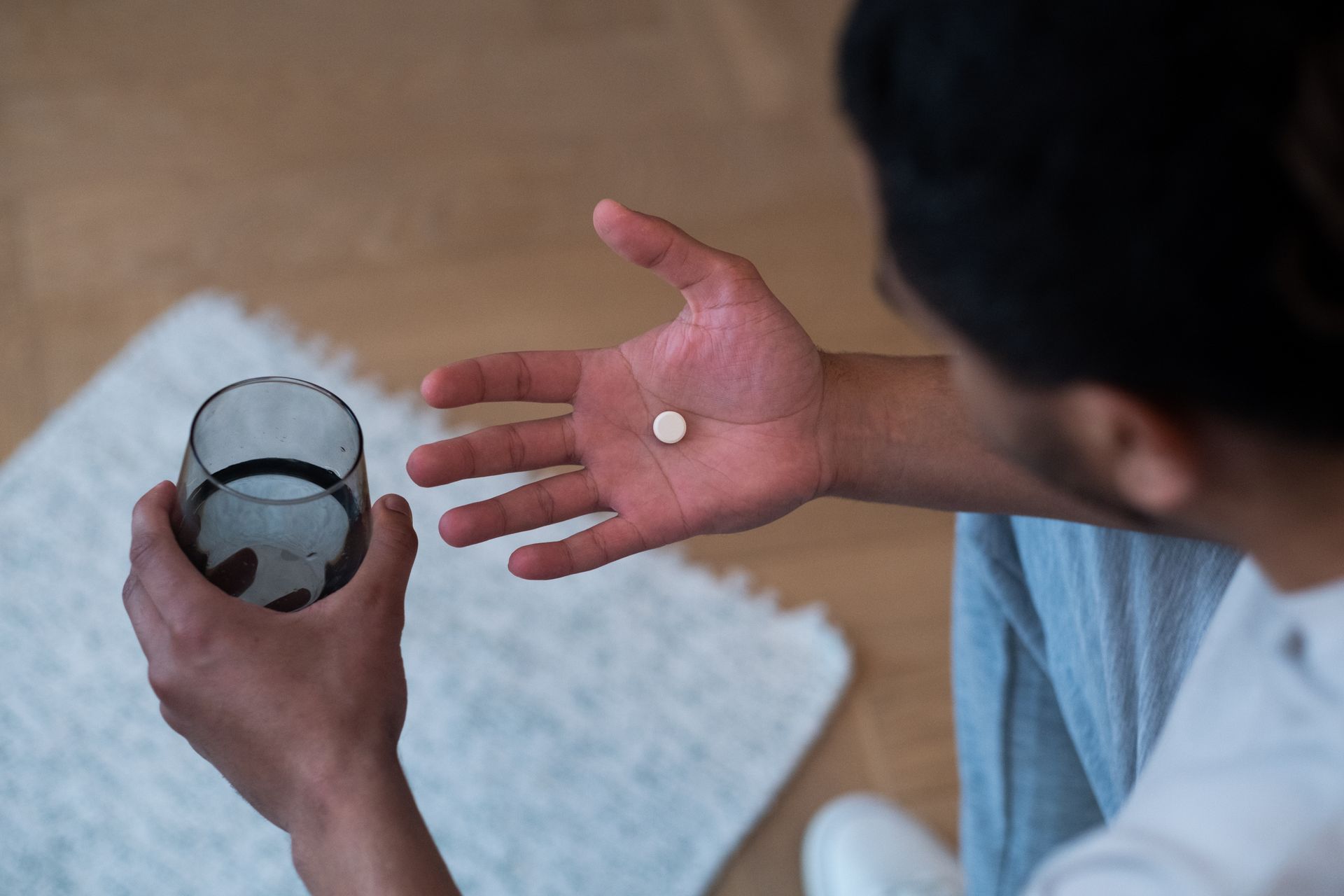
Recovering from a substance use disorder often requires more than determination alone. Many individuals benefit from a combination of medical care, counseling, behavioral therapy, and ongoing support throughout the recovery process. One treatment approach that has become an important part of evidence-based addiction care is medication-assisted treatment, commonly known as MAT. This approach combines carefully prescribed medications with counseling and behavioral therapies to help individuals manage substance use disorders.
For people seeking Suboxone treatment in West Palm Beach, medication-assisted treatment may be part of a personalized recovery plan developed and supervised by qualified healthcare professionals. The goal is not simply to stop substance use but to support long-term recovery while improving physical and emotional well-being. Medication-assisted treatment is supervised by qualified healthcare professionals who determine whether it is appropriate for each individual’s needs. Understanding medication-assisted treatment for substance use disorders helps explain why it has become an important option within modern addiction treatment programs.
Understanding How MAT Works
Medication-assisted treatment combines medical treatment with psychological and behavioral support. Both components work together throughout the recovery process. The medications used during MAT help address specific physical aspects of addiction. Depending on the substance involved, these medications may reduce withdrawal symptoms, decrease cravings, or help stabilize the body’s response during recovery. At the same time, counseling sessions help individuals develop healthier coping skills, recognize behavioral patterns, and strengthen recovery goals. Medication alone is not considered complete treatment. Behavioral support remains an important part of the overall recovery plan. This combined approach addresses multiple aspects of addiction simultaneously.
Supporting Withdrawal Management
Withdrawal symptoms often represent one of the most challenging stages of recovery. Physical discomfort may discourage individuals from continuing treatment if symptoms become difficult to manage. Medication-assisted treatment helps reduce the intensity of withdrawal for certain substance use disorders under medical supervision. By making this early stage more manageable, individuals may be better able to participate fully in counseling and other recovery services. Reducing severe withdrawal symptoms also allows healthcare providers to monitor patients more effectively while maintaining safety throughout the stabilization process. Professional medical oversight remains essential during this stage of treatment.

Combining Medical and Behavioral Care
One reason medication-assisted treatment has become widely accepted is its comprehensive approach. Addiction affects both physical health and behavior, making multiple forms of treatment valuable. Behavioral therapy helps individuals identify personal triggers, improve communication skills, manage stress, and develop healthier routines. Counseling also provides opportunities to discuss challenges that arise throughout recovery. Medical professionals monitor medication effectiveness while adjusting treatment plans when necessary. This collaboration between healthcare providers and therapists supports individualized recovery rather than relying on a single treatment method. The combination of medical and behavioral care creates a more complete recovery strategy.
Reducing Cravings During Recovery
Cravings can continue long after substance use has stopped. These urges may appear unexpectedly during stressful situations, emotional challenges, or exposure to previous triggers. Certain medications used in MAT help reduce the intensity of these cravings. Lower craving levels allow individuals to focus more effectively … Read the rest
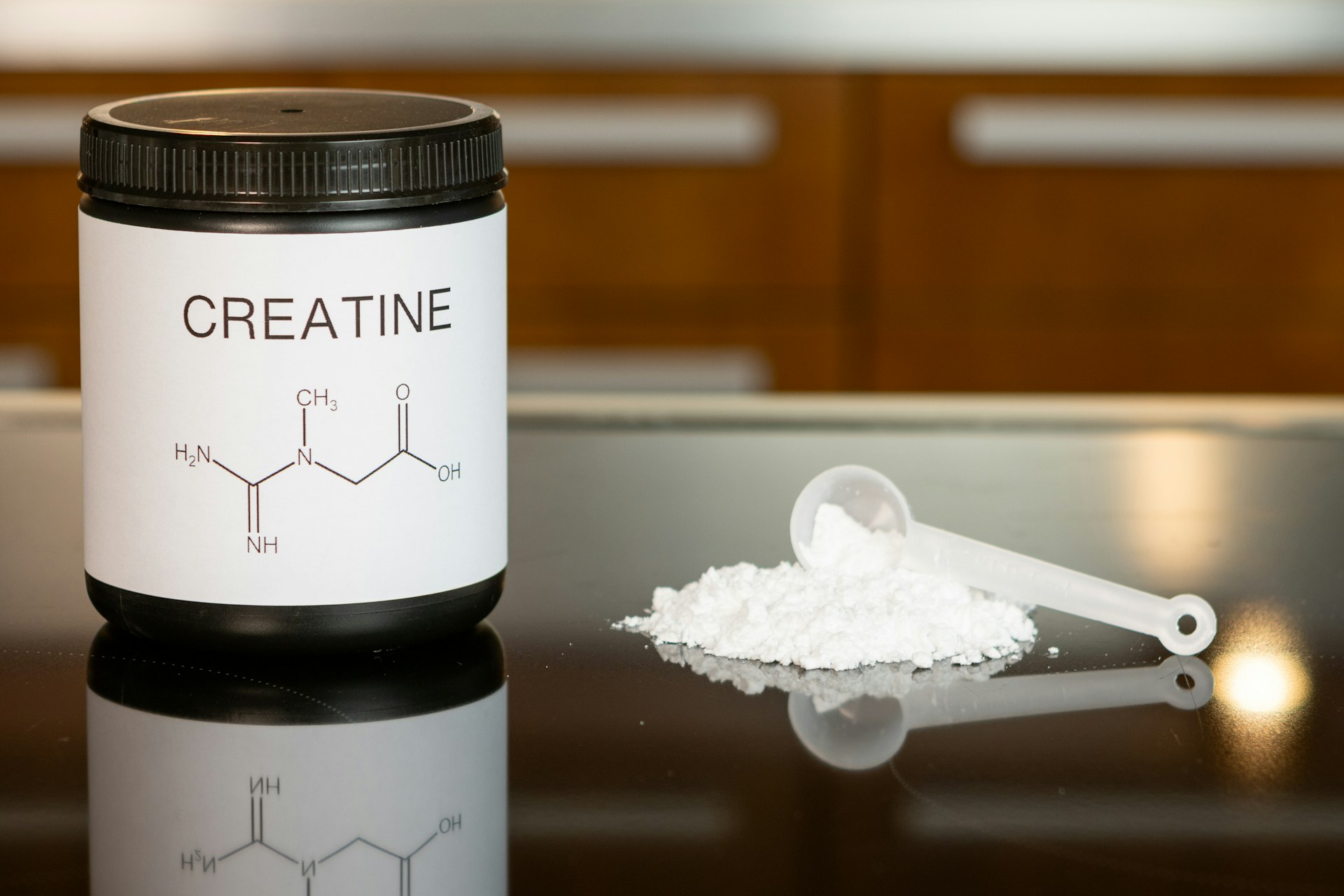
 Protein is the building block of muscles, and it’s no surprise that fitness buffs are obsessed with it. You’ve probably heard that protein is essential for muscle growth, but there’s more to it than just post-workout shakes. Protein helps in the repair and recovery process after you’ve worked your muscles to their limits. It’s like your muscles’ personal handyman—fixing them up so they can get bigger and stronger. Fans of protein powders often search for the best ones that fit their diet and workout goals. Whether you prefer whey, casein, or plant-based options, there’s a protein for everyone. The big question? How much do you need? A general rule of thumb is about 1 gram of protein per pound of body weight if you’re hitting the gym hard.
 One of the top searches for fitness enthusiasts is when to take protein and creatine for the best results. Let’s break it down. Protein timing matters—many recommend consuming a serving of protein within 30 minutes to an hour after your workout to fuel recovery. This is when your muscles are the most receptive to protein, helping them rebuild and grow stronger. As for creatine, timing isn’t as critical. Whether you take it before or after your workout, or even on off days, it’s still going to give you the same benefits. Some prefer to take it post-workout to maximize muscle recovery, while others simply take it daily to maintain consistent levels in their system.









 Once acknowledgment and acceptance have taken place, seeking professional support becomes paramount. Drug addiction is a complex condition that often requires the expertise of medical professionals, therapists, and addiction specialists. Professionals from
 The journey of recovery extends beyond initial treatment. Long-term maintenance is crucial to prevent relapse and sustain a drug-free life. This stage involves ongoing therapy, regular check-ins with medical professionals, and actively participating in support groups. Additionally, making lifestyle changes and avoiding situations or people associated with drug use reinforces the commitment to sobriety. Celebrating milestones, setting achievable goals, and acknowledging personal growth further strengthen one’s resolve to maintain a drug-free life.

 The fourth way to reduce stress is to start exercising regularly. Exercise can help boost endorphins and feel-good hormones in the body, which can help improve your mood. It can also be a great way to release pent-up energy and stress, and it can even help you think more clearly. So, find an activity that you enjoy, like jogging, cycling, or dancing, and do it regularly. This will help you feel better mentally and physically. If you are a busy person, schedule some time in your day to do a quick workout or go for a walk.
 One of the most important things you can do to prepare for your complete mommy makeover surgery is to be in good health. This means eating a healthy diet, exercising regularly, and getting enough rest. It is also essential to avoid smoking and drinking alcohol before your surgery. If you are not in good health, it could increase your risk of complications during and after the procedure.
 It is also essential to educate yourself about the procedure. It includes understanding the risks and benefits and what to expect before, during, and after surgery. The more you know about the design, the better prepared you will be for it. You can talk to your surgeon about any concerns that you may have.
 Another important step is preparing a recovery area in your home. This should be a quiet and comfortable place where you can rest and recover. It should be free from distractions, such as television and loud music. You will also need all the supplies you need for your recoveries, such as pain medication, ice packs, and bandages.

 Sleep is crucial for brain health. When we sleep, our brains have a chance to rest and repair themselves. Not getting enough sleep can have negative impacts, including memory problems and difficulty concentrating. If you want to keep your brain healthy, ensure you get at least seven to eight hours of sleep every night. But if you think you have a problem getting a good night’s sleep every night, you can try some sleep aids to help you get the rest you need.
 That’s why you should never neglect the importance of socializing and maintaining good relationships with people around you. According to some studies, social isolation can lead to cognitive decline, so keeping your social life active is essential. You can do this by joining a club or group, volunteering, or spending time with friends and family. If you want to keep your brain healthy, make sure you’re staying social. These are just some of the most common mistakes people make that can have a negative impact on their brain health.



 The next thing you should consider is the quality of the bodybuilding supplement you are planning to buy. It is essential to note that the type of result you get will depend on the quality of the products you are using. Though it might be challenging to know if a product is of quality before using it, you should consider some factors.
 The last thing you should consider is the goal you want to achieve. Every person has their goals, and they might vary. You should choose supplements that will help you achieve the type of goals you want.