
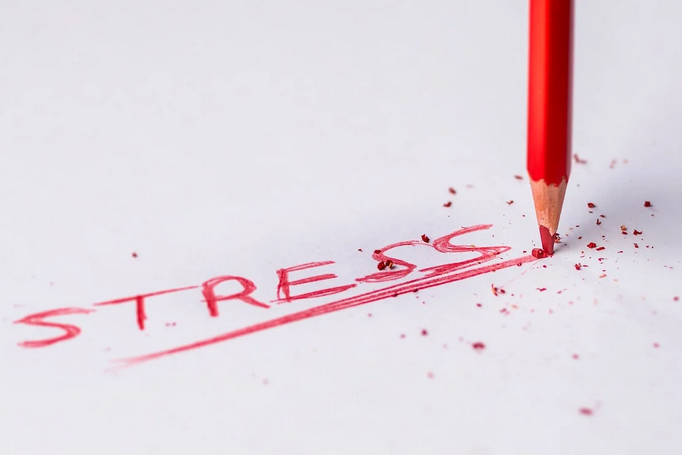
Feeling overwhelmed and constantly on edge? Stress is a natural reaction to life’s demands, but it can become harmful or make existing conditions worse when it persists. Fortunately, there are several proven strategies for reducing stress. These strategies have helped many people live healthier and more balanced lives. Here, we will talk more about it.
Consider Doing Yoga

One way to reduce stress and anxiety is to do yoga. Research has shown that it can help improve physical and mental well-being in adults. Yoga can be done both indoors and outdoors. It involves stretching, breathing exercises and poses that help relax the mind and body. Doing yoga regularly can reduce the effects of stress, such as headaches, insomnia, fatigue, depression, and anxiety. There are many yoga studios that you can attend to. But choosing the best one is very important.
Practice Mindfulness Meditation
Another way to reduce stress is by practicing mindfulness meditation. It involves focusing on the present moment and paying attention to one’s thoughts or feelings without judgment or reaction. Research has shown that it can help lower cortisol, a hormone associated with stress, as well as reduce symptoms of depression and anxiety. There are many guided meditation apps that you can use to practice mindfulness meditation. Many famous people are actually doing this every single day. They say it has helped them a lot. At first, it might be hard to focus, but with practice and consistency, you will eventually get the hang of it.
Get Enough Sleep
The third way to reduce stress is to get enough sleep. Lack of sleep can contribute to feelings of exhaustion, irritability, and depression. It can also lead to physical problems such as headaches and muscle tension. Aim to get at least 7-8 hours of quality sleep every night to reduce stress. Create a calming bedtime routine for yourself, and avoid electronics before bed. This will help you sleep better, which in turn can reduce stress.
Start Exercising Regularly
 The fourth way to reduce stress is to start exercising regularly. Exercise can help boost endorphins and feel-good hormones in the body, which can help improve your mood. It can also be a great way to release pent-up energy and stress, and it can even help you think more clearly. So, find an activity that you enjoy, like jogging, cycling, or dancing, and do it regularly. This will help you feel better mentally and physically. If you are a busy person, schedule some time in your day to do a quick workout or go for a walk.
Stress can be a part of everyday life, but the good news is that there are ways to reduce it. Although stress reduction techniques such as mindfulness, physical activity, and improving one’s environment will vary from person to person, following the tips discussed in this article may be just what you need to reduce stress. So take time to relax, get enough sleep each night, develop healthier lifestyle habits, and reach out to a friend or family member when needed. Above all else, keep in mind that even though stress can impact your life in many ways, it does not have to define your day-to-day living – with purposeful steps towards reducing stress and maintaining the balance in your life you can gain the focus and clarity needed for success.

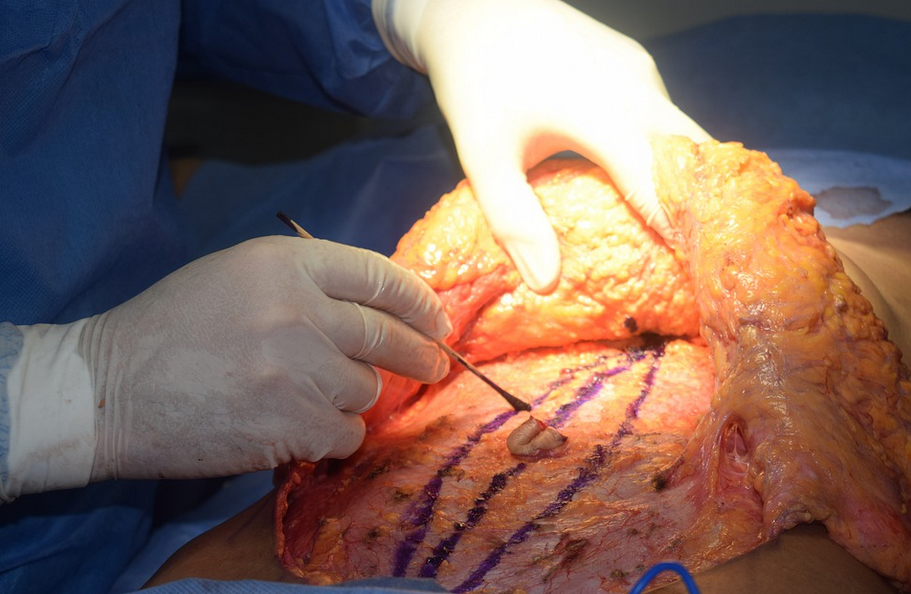
 One of the most important things you can do to prepare for your complete mommy makeover surgery is to be in good health. This means eating a healthy diet, exercising regularly, and getting enough rest. It is also essential to avoid smoking and drinking alcohol before your surgery. If you are not in good health, it could increase your risk of complications during and after the procedure.
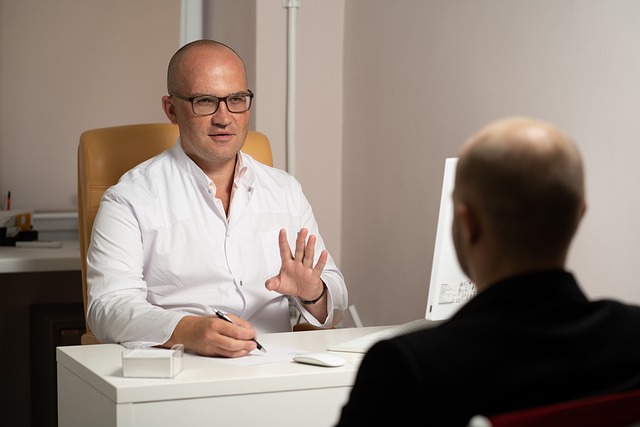
 It is also essential to educate yourself about the procedure. It includes understanding the risks and benefits and what to expect before, during, and after surgery. The more you know about the design, the better prepared you will be for it. You can talk to your surgeon about any concerns that you may have.
 Another important step is preparing a recovery area in your home. This should be a quiet and comfortable place where you can rest and recover. It should be free from distractions, such as television and loud music. You will also need all the supplies you need for your recoveries, such as pain medication, ice packs, and bandages.
 Once acknowledgment and acceptance have taken place, seeking professional support becomes paramount. Drug addiction is a complex condition that often requires the expertise of medical professionals, therapists, and addiction specialists. Professionals from
 The journey of recovery extends beyond initial treatment. Long-term maintenance is crucial to prevent relapse and sustain a drug-free life. This stage involves ongoing therapy, regular check-ins with medical professionals, and actively participating in support groups. Additionally, making lifestyle changes and avoiding situations or people associated with drug use reinforces the commitment to sobriety. Celebrating milestones, setting achievable goals, and acknowledging personal growth further strengthen one’s resolve to maintain a drug-free life.