If you are reading this article, then there’s a high chance that you are a goalkeeper or into football. Our best bet is you like sports and want to find out more about the benefits of wearing goalkeeper gloves usa. First, a goalkeeper is a football position that, as the name implies, keeps the ball away from the goal post, and since they are allowed to use their hands to stop the ball, they need protection to catch or block the incoming high-speed ball.
Why Are Gloves Important for a Goalkeeper?
Wearing protective gloves is essential for a goalkeeper because football players are highly capable athletes who train their kicking muscles regularly, so they can generate a lot of force while kicking the ball, which is dangerously coming straight at you. Your fingers are at risk of becoming strained or injured when you are trying to stop a high-velocity ball without wearing any form of protective padding.
Goalkeepers wear gloves to avoid such accidents from occurring, even though most goalkeepers are athletes who have trained their fingers from countless blocking drills to withstand solid ball impacts; they don’t want to risk their valuable assets be compromised, which will hinder them effectively from being able to play. So yes, wearing gloves are a must for a goalkeeper!
What Good Will Wearing Gloves Do for Me?
You’d be surprised to learn about the health benefits of wearing goalkeeper gloves. Firstly, if you play any football-oriented sports, you know how easily a single accident could damage your fingers and hands. It would be best to have protective padding and wrist support that gloves can give you to keep you away from injuries.
Secondly, you want to minimize the risk of your bone being fractured or bent unnaturally. If you try to block a high-speed ball that catches you on a wrong angle, the chances are your finger bones could be hyper-extended that will prevent you from holding a pen correctly, let alone play as a goalkeeper. Goalkeeper gloves are designed to provide wrist and finger support with protective padding that can absorb impacts and shocks generated from hard shots. This is why a goalkeeper wearing gloves and not wearing them are miles away in terms of safety.
Lastly, they are pretty sturdy but flexible, which enables your hand to turn in every way without sacrificing mobility and flexibility. Imagine yourself wearing metal armor on your hand. Still, the armor is made from flexible materials that allow you to move freely and be comfortable, thus effectively improving your catching and blocking abilities.
The Bottom Line
Goalkeepers wear gloves because they provide safety for their assets which is their ten fingers. Without gloves, a goalkeeper is put at risk of being injured, thus preventing them from playing football until they have recovered from their injuries. If you want to stay healthy and play football, you need to wear gloves!
It’s no secret that our brains start slowing down as we age. It can lead to a number of problems, including dementia and Alzheimer’s Disease. So we must do everything we can to keep our brains healthy and sharp. Unfortunately, many people make costly mistakes that can have a negative impact on their brain health. That’s why we’re here to help you prevent it from happening. Today, we will discuss some of the people’s most common mistakes and how to avoid them.
Smoking Cigarettes
Smoking cigarettes is the main culprit of many diseases, including dementia or other cognitive disorders. It’s no secret that smoking is bad for your health, but many people don’t realize how damaging it can be to their brain health. Smoking cigarettes can lead to several problems, including memory loss and an increased risk of dementia. If you want to keep your brain healthy, put your smoking habit to end now.
Not Getting Enough Sleep
Sleep is crucial for brain health. When we sleep, our brains have a chance to rest and repair themselves. Not getting enough sleep can have negative impacts, including memory problems and difficulty concentrating. If you want to keep your brain healthy, ensure you get at least seven to eight hours of sleep every night. But if you think you have a problem getting a good night’s sleep every night, you can try some sleep aids to help you get the rest you need.
Not Managing Stress on Yourself
Aside from smoking and lack of sleep, stress is another main culprit in the brain getting older faster. When we’re stressed, our brains release a hormone called cortisol. Cortisol is designed to help us in times of stress, but when it’s released too often, it can lead to problems like memory loss and difficulty concentrating. If you want to keep your brain healthy, manage your stress levels by taking daily breaks, exercising, and meditating. But if you think it’s not that easy, get a positive vibe and support from your loved ones.
Not Keeping a Good Company
That’s why you should never neglect the importance of socializing and maintaining good relationships with people around you. According to some studies, social isolation can lead to cognitive decline, so keeping your social life active is essential. You can do this by joining a club or group, volunteering, or spending time with friends and family. If you want to keep your brain healthy, make sure you’re staying social. These are just some of the most common mistakes people make that can have a negative impact on their brain health.
Avoid these costly mistakes if you want to keep your brain healthy and sharp. And if you have any questions, feel free to ask us in the comments below.
Recovering from a substance use disorder often requires more than determination alone. Many individuals benefit from a combination of medical care, counseling, behavioral therapy, and ongoing support throughout the recovery process. One treatment approach that has become an important part of evidence-based addiction care is medication-assisted treatment, commonly known as MAT. This approach combines carefully prescribed medications with counseling and behavioral therapies to help individuals manage substance use disorders.
For people seeking Suboxone treatment in West Palm Beach, medication-assisted treatment may be part of a personalized recovery plan developed and supervised by qualified healthcare professionals. The goal is not simply to stop substance use but to support long-term recovery while improving physical and emotional well-being. Medication-assisted treatment is supervised by qualified healthcare professionals who determine whether it is appropriate for each individual’s needs. Understanding medication-assisted treatment for substance use disorders helps explain why it has become an important option within modern addiction treatment programs.
Understanding How MAT Works
Medication-assisted treatment combines medical treatment with psychological and behavioral support. Both components work together throughout the recovery process. The medications used during MAT help address specific physical aspects of addiction. Depending on the substance involved, these medications may reduce withdrawal symptoms, decrease cravings, or help stabilize the body’s response during recovery. At the same time, counseling sessions help individuals develop healthier coping skills, recognize behavioral patterns, and strengthen recovery goals. Medication alone is not considered complete treatment. Behavioral support remains an important part of the overall recovery plan. This combined approach addresses multiple aspects of addiction simultaneously.
Supporting Withdrawal Management
Withdrawal symptoms often represent one of the most challenging stages of recovery. Physical discomfort may discourage individuals from continuing treatment if symptoms become difficult to manage. Medication-assisted treatment helps reduce the intensity of withdrawal for certain substance use disorders under medical supervision. By making this early stage more manageable, individuals may be better able to participate fully in counseling and other recovery services. Reducing severe withdrawal symptoms also allows healthcare providers to monitor patients more effectively while maintaining safety throughout the stabilization process. Professional medical oversight remains essential during this stage of treatment.
Combining Medical and Behavioral Care
One reason medication-assisted treatment has become widely accepted is its comprehensive approach. Addiction affects both physical health and behavior, making multiple forms of treatment valuable. Behavioral therapy helps individuals identify personal triggers, improve communication skills, manage stress, and develop healthier routines. Counseling also provides opportunities to discuss challenges that arise throughout recovery. Medical professionals monitor medication effectiveness while adjusting treatment plans when necessary. This collaboration between healthcare providers and therapists supports individualized recovery rather than relying on a single treatment method. The combination of medical and behavioral care creates a more complete recovery strategy.
Reducing Cravings During Recovery
Cravings can continue long after substance use has stopped. These urges may appear unexpectedly during stressful situations, emotional challenges, or exposure to previous triggers. Certain medications used in MAT help reduce the intensity of these cravings. Lower craving levels allow individuals to focus more effectively on counseling, personal growth, employment, family relationships, and rebuilding daily routines. Behavioral therapy complements medication by teaching practical techniques for responding to cravings when they occur. Together, these approaches help individuals strengthen recovery while reducing reliance on unhealthy coping behaviors. Managing cravings remains an ongoing part of many recovery journeys.
Addressing Common Misunderstandings
Medication-assisted treatment is sometimes misunderstood. Some people mistakenly believe that taking prescribed medication simply replaces one addiction with another. In reality, medications used during MAT are prescribed and monitored by healthcare professionals as part of structured treatment plans. Their purpose is to support recovery by managing specific physical symptoms associated with certain substance use disorders. Treatment decisions are based on careful medical evaluation rather than personal preference alone. Healthcare providers regularly assess patient progress while determining whether medication continues to be appropriate. Understanding these facts helps reduce stigma surrounding medication-assisted treatment and encourages more informed discussions about recovery options.
Supporting Long-Term Recovery
Recovery continues well beyond the initial treatment phase. Medication-assisted treatment often serves as one component within a broader long-term recovery plan. Many individuals continue participating in counseling, peer support groups, family therapy, and regular medical follow-up appointments throughout recovery. Healthy routines involving employment, education, exercise, nutrition, and supportive relationships also contribute to long-term success. As recovery progresses, healthcare providers evaluate treatment plans and make adjustments according to individual needs. Every person’s recovery journey develops differently, requiring ongoing assessment and personalized care. Long-term recovery focuses on sustained health rather than short-term results alone.
Medication-assisted treatment supports substance use disorder recovery by combining carefully supervised medications with counseling, behavioral therapy, and ongoing professional care. This integrated approach helps manage withdrawal symptoms, reduce cravings, encourage participation in therapy, and support long-term recovery goals. Understanding medication-assisted treatment for substance use disorders demonstrates that effective recovery often requires addressing both physical and behavioral aspects of addiction. Treatment plans remain individualized because every person’s experiences and healthcare needs differ. By combining medical expertise with psychological support, medication-assisted treatment continues helping many individuals build healthier lives while working toward lasting recovery through comprehensive, evidence-based care.
Feeling overwhelmed and constantly on edge? Stress is a natural reaction to life’s demands, but it can become harmful or make existing conditions worse when it persists. Fortunately, there are several proven strategies for reducing stress. These strategies have helped many people live healthier and more balanced lives. Here, we will talk more about it.
Consider Doing Yoga
One way to reduce stress and anxiety is to do yoga. Research has shown that it can help improve physical and mental well-being in adults. Yoga can be done both indoors and outdoors. It involves stretching, breathing exercises and poses that help relax the mind and body. Doing yoga regularly can reduce the effects of stress, such as headaches, insomnia, fatigue, depression, and anxiety. There are many yoga studios that you can attend to. But choosing the best one is very important.
Practice Mindfulness Meditation
Another way to reduce stress is by practicing mindfulness meditation. It involves focusing on the present moment and paying attention to one’s thoughts or feelings without judgment or reaction. Research has shown that it can help lower cortisol, a hormone associated with stress, as well as reduce symptoms of depression and anxiety. There are many guided meditation apps that you can use to practice mindfulness meditation. Many famous people are actually doing this every single day. They say it has helped them a lot. At first, it might be hard to focus, but with practice and consistency, you will eventually get the hang of it.
Get Enough Sleep
The third way to reduce stress is to get enough sleep. Lack of sleep can contribute to feelings of exhaustion, irritability, and depression. It can also lead to physical problems such as headaches and muscle tension. Aim to get at least 7-8 hours of quality sleep every night to reduce stress. Create a calming bedtime routine for yourself, and avoid electronics before bed. This will help you sleep better, which in turn can reduce stress.
Start Exercising Regularly
The fourth way to reduce stress is to start exercising regularly. Exercise can help boost endorphins and feel-good hormones in the body, which can help improve your mood. It can also be a great way to release pent-up energy and stress, and it can even help you think more clearly. So, find an activity that you enjoy, like jogging, cycling, or dancing, and do it regularly. This will help you feel better mentally and physically. If you are a busy person, schedule some time in your day to do a quick workout or go for a walk.
Stress can be a part of everyday life, but the good news is that there are ways to reduce it. Although stress reduction techniques such as mindfulness, physical activity, and improving one’s environment will vary from person to person, following the tips discussed in this article may be just what you need to reduce stress. So take time to relax, get enough sleep each night, develop healthier lifestyle habits, and reach out to a friend or family member when needed. Above all else, keep in mind that even though stress can impact your life in many ways, it does not have to define your day-to-day living – with purposeful steps towards reducing stress and maintaining the balance in your life you can gain the focus and clarity needed for success.






 Sleep is crucial for brain health. When we sleep, our brains have a chance to rest and repair themselves. Not getting enough sleep can have negative impacts, including memory problems and difficulty concentrating. If you want to keep your brain healthy, ensure you get at least seven to eight hours of sleep every night. But if you think you have a problem getting a good night’s sleep every night, you can try some sleep aids to help you get the rest you need.
 That’s why you should never neglect the importance of socializing and maintaining good relationships with people around you. According to some studies, social isolation can lead to cognitive decline, so keeping your social life active is essential. You can do this by joining a club or group, volunteering, or spending time with friends and family. If you want to keep your brain healthy, make sure you’re staying social. These are just some of the most common mistakes people make that can have a negative impact on their brain health.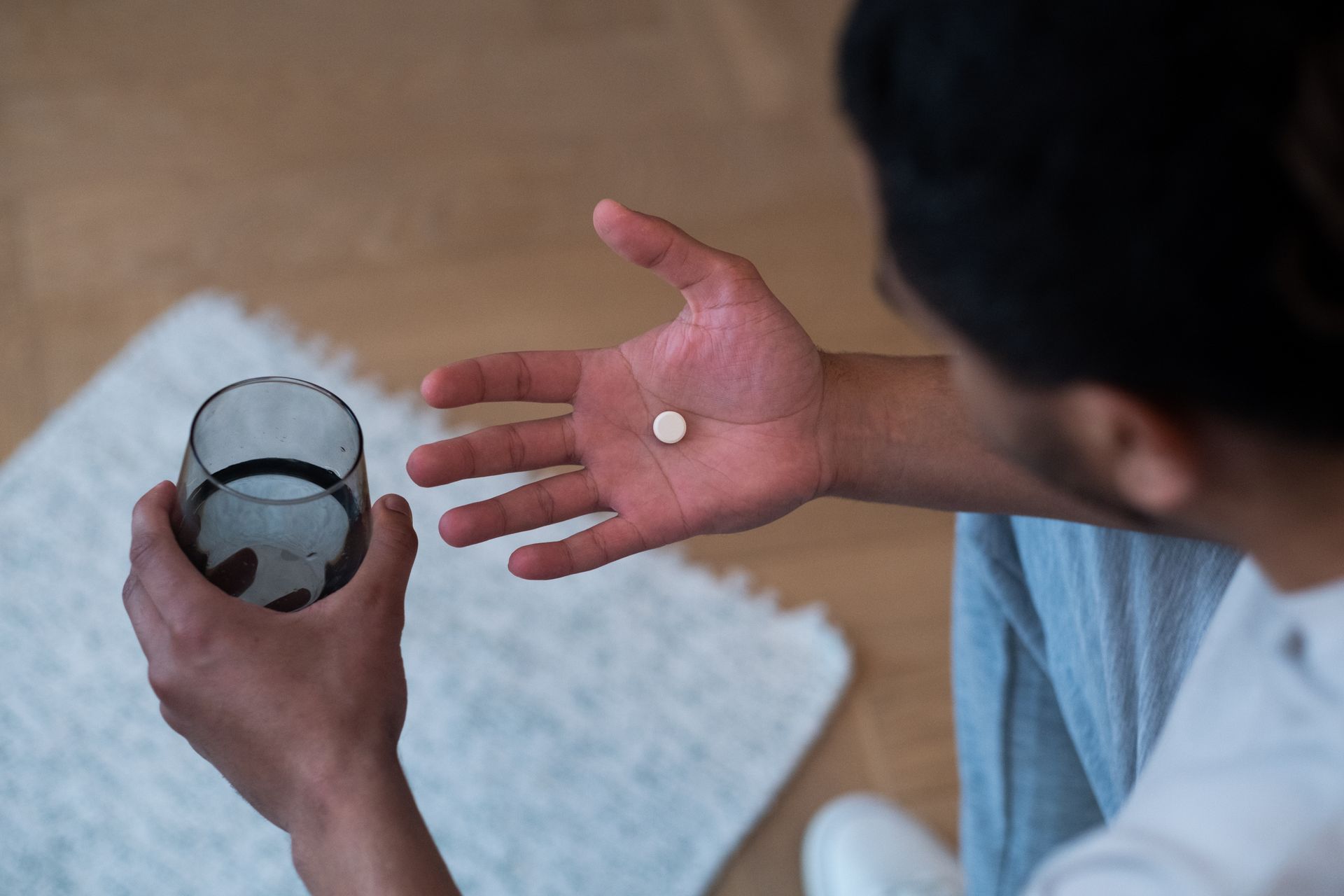


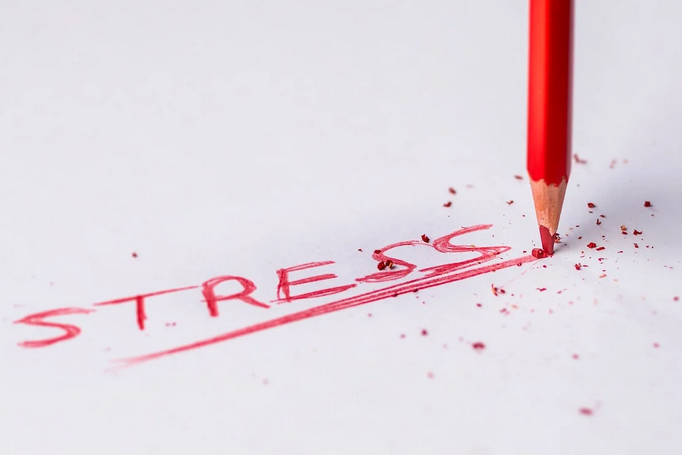

 The fourth way to reduce stress is to start exercising regularly. Exercise can help boost endorphins and feel-good hormones in the body, which can help improve your mood. It can also be a great way to release pent-up energy and stress, and it can even help you think more clearly. So, find an activity that you enjoy, like jogging, cycling, or dancing, and do it regularly. This will help you feel better mentally and physically. If you are a busy person, schedule some time in your day to do a quick workout or go for a walk.