
+1 319-366-1715 555 Gateway Pl SW, Cedar Rapids, IA
MTI Expo Health Protein, Creatine, and You: What Fitness Fans Are Searching For

Protein, Creatine, and You: What Fitness Fans Are Searching For

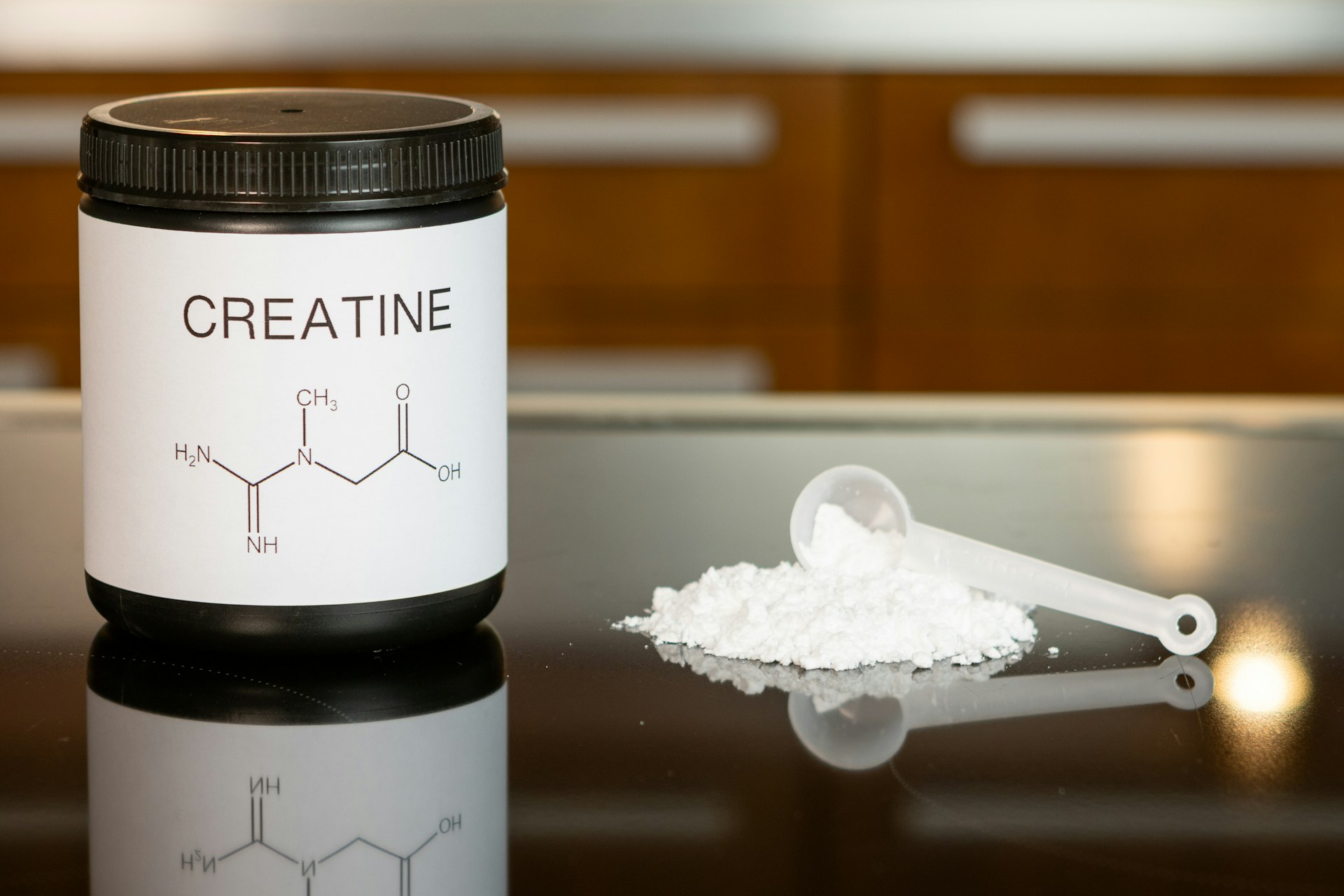
creatine

Protein and creatine—two words that are basically synonymous with fitness, but why are fitness fans so obsessed with them? Whether you’re trying to bulk up, recover faster, or just want to see more gains, these two supplements are a part of the daily routine for many. If you’ve ever wondered what the hype is about, read on, and you’ll find out the truth.

What’s the Deal With Protein?
protein Protein is the building block of muscles, and it’s no surprise that fitness buffs are obsessed with it. You’ve probably heard that protein is essential for muscle growth, but there’s more to it than just post-workout shakes. Protein helps in the repair and recovery process after you’ve worked your muscles to their limits. It’s like your muscles’ personal handyman—fixing them up so they can get bigger and stronger. Fans of protein powders often search for the best ones that fit their diet and workout goals. Whether you prefer whey, casein, or plant-based options, there’s a protein for everyone. The big question? How much do you need? A general rule of thumb is about 1 gram of protein per pound of body weight if you’re hitting the gym hard.

Creatine: The Power Booster

Now, let’s talk about creatine, the supplement that gets a ton of love—and for good reason. Creatine is a naturally occurring compound in the body that helps produce energy during high-intensity exercise. It’s like putting premium fuel in your body’s engine. The beauty of creatine is its ability to enhance short bursts of intense exercise. This makes it a favorite for weightlifters, sprinters, and anyone looking to go that extra mile during training. Creatine is also one of the most researched supplements on the market, with tons of evidence supporting its benefits in increasing muscle strength and performance. It works by drawing water into your muscles, making them bigger and more hydrated.

The Best Timing for Protein and Creatine

drinking One of the top searches for fitness enthusiasts is when to take protein and creatine for the best results. Let’s break it down. Protein timing matters—many recommend consuming a serving of protein within 30 minutes to an hour after your workout to fuel recovery. This is when your muscles are the most receptive to protein, helping them rebuild and grow stronger. As for creatine, timing isn’t as critical. Whether you take it before or after your workout, or even on off days, it’s still going to give you the same benefits. Some prefer to take it post-workout to maximize muscle recovery, while others simply take it daily to maintain consistent levels in their system.

Are Protein and Creatine Safe to Use?

The safety of protein and creatine is often a hot topic in the fitness community. The short answer is yes—when used correctly, both supplements are safe for most people. However, it’s important to pay attention to your body’s needs. Too much protein can put a strain on your kidneys over time, especially if you’re not drinking enough water. As for creatine, staying hydrated is key since it draws water into your muscles. While both supplements are generally safe, it’s always smart to talk to a healthcare professional if you have any underlying health conditions. And as with any supplement, quality matters.

From protein’s muscle-repairing powers to creatine’s ability to boost strength, these supplements are vital for anyone serious about their fitness goals. So, next time you’re searching for the best way to optimize your workout results, remember that protein and creatine are your reliable teammates.
Related Post

drug addiction program

How to Choose the Right Drug Addiction Program for YouHow to Choose the Right Drug Addiction Program for You

Choosing the right drug addiction program can feel overwhelming. With so many options available, it’s easy to become confused about where to start. The journey toward recovery is deeply personal, and what works for one person may not be suitable for another. Whether you’re seeking help for yourself or a loved one, understanding your specific needs is crucial in finding an effective program.

Navigating through treatment types, qualifications, and methods can seem daunting at first glance. But fear not. By breaking down the process into manageable steps, you can find a program that aligns with your goals and provides the support needed on this challenging path. Let’s explore how to make this important decision together.

Assess Your Needs

Understanding your unique situation is the first step toward recovery. Take time to reflect on your history with substance use. Consider how it affects various aspects of your life, including relationships, work, and mental health. Ask yourself specific questions: What triggers your cravings? Do you have any co-occurring disorders that need attention? Identifying these factors can help pinpoint the type of support you truly require.

Research Program Types

When searching for a drug addiction program, understanding the different types available is crucial. Each approach has unique philosophies and methodologies that cater to various needs. Residential treatment programs provide an immersive experience. Participants live on-site, allowing them to focus entirely on recovery without outside distractions. This environment can foster deep healing. Outpatient programs offer flexibility, letting individuals attend therapy sessions while maintaining daily responsibilities like work or family care. This might be ideal for those with strong support systems at home.

Research Program Types

Look for Evidence-Based Treatment

When exploring addiction treatment options, the effectiveness of a program is crucial. Evidence-based treatments have been shown to deliver real results for many individuals. These approaches rely on scientific research and clinical data. Look for programs that incorporate therapies like Cognitive Behavioral Therapy (CBT) or Motivational Interviewing (MI). Both are grounded in actual studies demonstrating their efficacy in treating substance use disorders. Ask about the specific methods used within the program. A good facility will openly share information about their techniques and how they measure success.

Check Credentials and Qualifications

When searching for a drug addiction program, it’s vital to check the credentials and qualifications of the staff. The expertise of those leading your recovery journey can significantly impact your experience. Look for licensed professionals with degrees in psychology, social work, or counseling. These qualifications ensure that they have received comprehensive training to handle complex situations. Certifications from reputable organizations indicate a commitment to ongoing education and best practices. Programs recognized by governing bodies often adhere to stricter standards.

Consider Duration of Treatment

The length of a drug addiction program can significantly impact your recovery journey. Treatment duration varies widely, from intensive short-term options to more extended residential programs. Short-term treatments may last 28 days or less and often focus on immediate stabilization. These programs can be effective for some individuals but might not address deeper underlying issues. On the other hand, longer programs provide more time for healing and growth. They allow you to work through challenges at a pace that suits your needs. Extended treatment can also include aftercare support.

Choosing the right drug addiction program is a significant step in your recovery journey. It’s essential to prioritize your needs and preferences while ensuring that your chosen program aligns with evidence-based practices. Take the time to research various options, paying close attention to the credentials and qualifications of the staff involved. Your path to recovery is unique, so find a program that resonates with you personally. Embrace this opportunity for change, as it can lead to a healthier, more fulfilling life ahead.

pills in water

Factors to Consider When Buying Bodybuilding Supplements for the First TimeFactors to Consider When Buying Bodybuilding Supplements for the First Time

It is now clear that many in the bodybuilding industry have attained great bodies with the help of supplements like anabolic steroids. The topic of supplements is now very common in bodybuilding as many are opening up about their experience.

You might have been working hard at the gym, but you’re not getting the results you want. Chances are, you might need the help of various supplements to attain your goals quickly.

Below are some of the factors you should consider when buying a bodybuilding supplement.

Ingredients

You should always consider your health before anything else. It is crucial to note that though some supplements might have great results, some do have adverse side effects that might undermine your health. Many in the bodybuilding industry have suffered from harmful side effects.

The first thing you should do before buying any supplements is reading the ingredients. Make sure that the supplement you buy lucks any substances that might be harmful. Don’t buy supplements that have not given a list of the substances they contain.

Quality

medicineThe next thing you should consider is the quality of the bodybuilding supplement you are planning to buy. It is essential to note that the type of result you get will depend on the quality of the products you are using. Though it might be challenging to know if a product is of quality before using it, you should consider some factors.

The first factor you should consider is the brand. You should only buy supplements from a brand that has a good reputation. The other thing you should consider is reviews. Make sure you read what others are saying about a product before buying and using it. You can also check the online ratings.

Goals

exerciseThe last thing you should consider is the goal you want to achieve. Every person has their goals, and they might vary. You should choose supplements that will help you achieve the type of goals you want.

Different supplements tend to have different effects on the body. Some bodybuilding supplements might give you more strength. Others might help you burn fats, while others will make you achieve huge muscles fast.

When buying a bodybuilding supplement for the first time, you must consider the ingredients, quality, and the goals you want to achieve.

Goalkeeper

The Importance of Gloves for a GoalkeeperThe Importance of Gloves for a Goalkeeper

If you are reading this article, then there’s a high chance that you are a goalkeeper or into football. Our best bet is you like sports and want to find out more about the benefits of wearing goalkeeper gloves usa. First, a goalkeeper is a football position that, as the name implies, keeps the ball away from the goal post, and since they are allowed to use their hands to stop the ball, they need protection to catch or block the incoming high-speed ball. 

Why Are Gloves Important for a Goalkeeper?

Wearing protective gloves is essential for a goalkeeper because football players are highly capable athletes who train their kicking muscles regularly, so they can generate a lot of force while kicking the ball, which is dangerously coming straight at you. Your fingers are at risk of becoming strained or injured when you are trying to stop a high-velocity ball without wearing any form of protective padding. 

Goalkeeper Gloves

Goalkeepers wear gloves to avoid such accidents from occurring, even though most goalkeepers are athletes who have trained their fingers from countless blocking drills to withstand solid ball impacts; they don’t want to risk their valuable assets be compromised, which will hinder them effectively from being able to play. So yes, wearing gloves are a must for a goalkeeper!

What Good Will Wearing Gloves Do for Me?

You’d be surprised to learn about the health benefits of wearing goalkeeper gloves. Firstly, if you play any football-oriented sports, you know how easily a single accident could damage your fingers and hands. It would be best to have protective padding and wrist support that gloves can give you to keep you away from injuries.

Finger Injury

Secondly, you want to minimize the risk of your bone being fractured or bent unnaturally. If you try to block a high-speed ball that catches you on a wrong angle, the chances are your finger bones could be hyper-extended that will prevent you from holding a pen correctly, let alone play as a goalkeeper. Goalkeeper gloves are designed to provide wrist and finger support with protective padding that can absorb impacts and shocks generated from hard shots. This is why a goalkeeper wearing gloves and not wearing them are miles away in terms of safety.

Lastly, they are pretty sturdy but flexible, which enables your hand to turn in every way without sacrificing mobility and flexibility. Imagine yourself wearing metal armor on your hand. Still, the armor is made from flexible materials that allow you to move freely and be comfortable, thus effectively improving your catching and blocking abilities.

The Bottom Line

Goalkeepers wear gloves because they provide safety for their assets which is their ten fingers. Without gloves, a goalkeeper is put at risk of being injured, thus preventing them from playing football until they have recovered from their injuries. If you want to stay healthy and play football, you need to wear gloves!