+1 319-366-1715 555 Gateway Pl SW, Cedar Rapids, IA
MTI Expo Health Protein, Creatine, and You: What Fitness Fans Are Searching For

Protein, Creatine, and You: What Fitness Fans Are Searching For

creatine

Protein and creatine—two words that are basically synonymous with fitness, but why are fitness fans so obsessed with them? Whether you’re trying to bulk up, recover faster, or just want to see more gains, these two supplements are a part of the daily routine for many. If you’ve ever wondered what the hype is about, read on, and you’ll find out the truth.

What’s the Deal With Protein?

protein Protein is the building block of muscles, and it’s no surprise that fitness buffs are obsessed with it. You’ve probably heard that protein is essential for muscle growth, but there’s more to it than just post-workout shakes. Protein helps in the repair and recovery process after you’ve worked your muscles to their limits. It’s like your muscles’ personal handyman—fixing them up so they can get bigger and stronger. Fans of protein powders often search for the best ones that fit their diet and workout goals. Whether you prefer whey, casein, or plant-based options, there’s a protein for everyone. The big question? How much do you need? A general rule of thumb is about 1 gram of protein per pound of body weight if you’re hitting the gym hard.

Creatine: The Power Booster

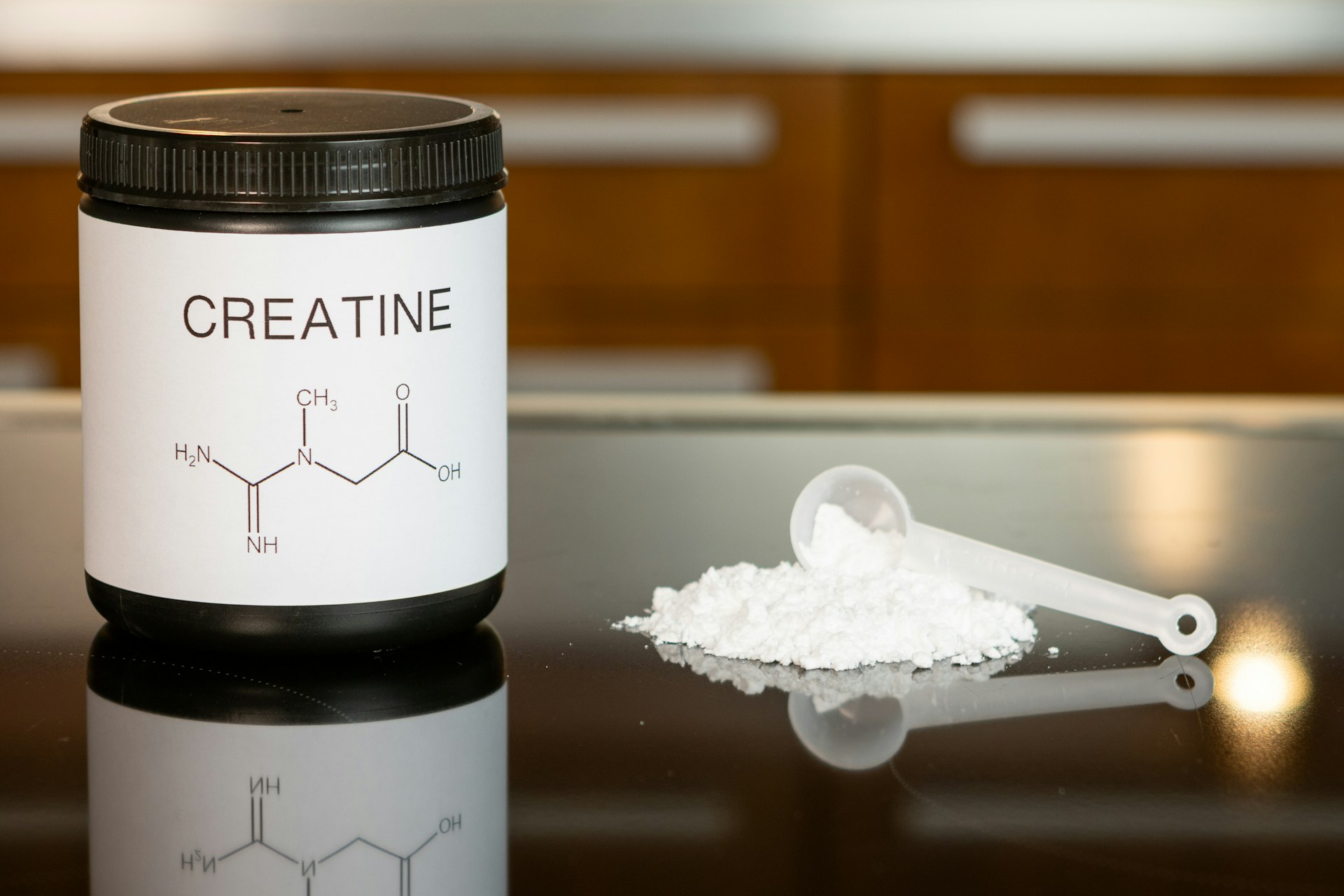
Now, let’s talk about creatine, the supplement that gets a ton of love—and for good reason. Creatine is a naturally occurring compound in the body that helps produce energy during high-intensity exercise. It’s like putting premium fuel in your body’s engine. The beauty of creatine is its ability to enhance short bursts of intense exercise. This makes it a favorite for weightlifters, sprinters, and anyone looking to go that extra mile during training. Creatine is also one of the most researched supplements on the market, with tons of evidence supporting its benefits in increasing muscle strength and performance. It works by drawing water into your muscles, making them bigger and more hydrated.

The Best Timing for Protein and Creatine

drinking One of the top searches for fitness enthusiasts is when to take protein and creatine for the best results. Let’s break it down. Protein timing matters—many recommend consuming a serving of protein within 30 minutes to an hour after your workout to fuel recovery. This is when your muscles are the most receptive to protein, helping them rebuild and grow stronger. As for creatine, timing isn’t as critical. Whether you take it before or after your workout, or even on off days, it’s still going to give you the same benefits. Some prefer to take it post-workout to maximize muscle recovery, while others simply take it daily to maintain consistent levels in their system.

Are Protein and Creatine Safe to Use?

The safety of protein and creatine is often a hot topic in the fitness community. The short answer is yes—when used correctly, both supplements are safe for most people. However, it’s important to pay attention to your body’s needs. Too much protein can put a strain on your kidneys over time, especially if you’re not drinking enough water. As for creatine, staying hydrated is key since it draws water into your muscles. While both supplements are generally safe, it’s always smart to talk to a healthcare professional if you have any underlying health conditions. And as with any supplement, quality matters.

From protein’s muscle-repairing powers to creatine’s ability to boost strength, these supplements are vital for anyone serious about their fitness goals. So, next time you’re searching for the best way to optimize your workout results, remember that protein and creatine are your reliable teammates.


Related Post

stress

Proven Ways to Reduce StressProven Ways to Reduce Stress

Feeling overwhelmed and constantly on edge? Stress is a natural reaction to life’s demands, but it can become harmful or make existing conditions worse when it persists. Fortunately, there are several proven strategies for reducing stress. These strategies have helped many people live healthier and more balanced lives. Here, we will talk more about it.

Consider Doing Yoga

yoga

One way to reduce stress and anxiety is to do yoga. Research has shown that it can help improve physical and mental well-being in adults. Yoga can be done both indoors and outdoors. It involves stretching, breathing exercises and poses that help relax the mind and body. Doing yoga regularly can reduce the effects of stress, such as headaches, insomnia, fatigue, depression, and anxiety. There are many yoga studios that you can attend to. But choosing the best one is very important.

Practice Mindfulness Meditation

Another way to reduce stress is by practicing mindfulness meditation. It involves focusing on the present moment and paying attention to one’s thoughts or feelings without judgment or reaction. Research has shown that it can help lower cortisol, a hormone associated with stress, as well as reduce symptoms of depression and anxiety. There are many guided meditation apps that you can use to practice mindfulness meditation. Many famous people are actually doing this every single day. They say it has helped them a lot. At first, it might be hard to focus, but with practice and consistency, you will eventually get the hang of it.

Get Enough Sleep

The third way to reduce stress is to get enough sleep. Lack of sleep can contribute to feelings of exhaustion, irritability, and depression. It can also lead to physical problems such as headaches and muscle tension. Aim to get at least 7-8 hours of quality sleep every night to reduce stress. Create a calming bedtime routine for yourself, and avoid electronics before bed. This will help you sleep better, which in turn can reduce stress.

Start Exercising Regularly

exerciseThe fourth way to reduce stress is to start exercising regularly. Exercise can help boost endorphins and feel-good hormones in the body, which can help improve your mood. It can also be a great way to release pent-up energy and stress, and it can even help you think more clearly. So, find an activity that you enjoy, like jogging, cycling, or dancing, and do it regularly. This will help you feel better mentally and physically. If you are a busy person, schedule some time in your day to do a quick workout or go for a walk.

Stress can be a part of everyday life, but the good news is that there are ways to reduce it. Although stress reduction techniques such as mindfulness, physical activity, and improving one’s environment will vary from person to person, following the tips discussed in this article may be just what you need to reduce stress. So take time to relax, get enough sleep each night, develop healthier lifestyle habits, and reach out to a friend or family member when needed. Above all else, keep in mind that even though stress can impact your life in many ways, it does not have to define your day-to-day living – with purposeful steps towards reducing stress and maintaining the balance in your life you can gain the focus and clarity needed for success.

old

Costly Mistakes to Avoid for Keeping Your Brain Healthy and Sharp as You AgeCostly Mistakes to Avoid for Keeping Your Brain Healthy and Sharp as You Age

It’s no secret that our brains start slowing down as we age. It can lead to a number of problems, including dementia and Alzheimer’s Disease. So we must do everything we can to keep our brains healthy and sharp. Unfortunately, many people make costly mistakes that can have a negative impact on their brain health. That’s why we’re here to help you prevent it from happening. Today, we will discuss some of the people’s most common mistakes and how to avoid them.

Smoking Cigarettescigar

Smoking cigarettes is the main culprit of many diseases, including dementia or other cognitive disorders. It’s no secret that smoking is bad for your health, but many people don’t realize how damaging it can be to their brain health. Smoking cigarettes can lead to several problems, including memory loss and an increased risk of dementia. If you want to keep your brain healthy, put your smoking habit to end now.

Not Getting Enough Sleep

ladySleep is crucial for brain health. When we sleep, our brains have a chance to rest and repair themselves. Not getting enough sleep can have negative impacts, including memory problems and difficulty concentrating. If you want to keep your brain healthy, ensure you get at least seven to eight hours of sleep every night. But if you think you have a problem getting a good night’s sleep every night, you can try some sleep aids to help you get the rest you need.

Not Managing Stress on Yourself

Aside from smoking and lack of sleep, stress is another main culprit in the brain getting older faster. When we’re stressed, our brains release a hormone called cortisol. Cortisol is designed to help us in times of stress, but when it’s released too often, it can lead to problems like memory loss and difficulty concentrating. If you want to keep your brain healthy, manage your stress levels by taking daily breaks, exercising, and meditating. But if you think it’s not that easy, get a positive vibe and support from your loved ones.

Not Keeping a Good Company

friendsThat’s why you should never neglect the importance of socializing and maintaining good relationships with people around you. According to some studies, social isolation can lead to cognitive decline, so keeping your social life active is essential. You can do this by joining a club or group, volunteering, or spending time with friends and family. If you want to keep your brain healthy, make sure you’re staying social. These are just some of the most common mistakes people make that can have a negative impact on their brain health.

Avoid these costly mistakes if you want to keep your brain healthy and sharp. And if you have any questions, feel free to ask us in the comments below.

knee pain

Effective Strategies for Reducing Inflammation in the BodyEffective Strategies for Reducing Inflammation in the Body

Inflammation is a natural response of the body to injury or infection. However, when it becomes chronic, it can lead to various health issues like heart disease, diabetes, and even certain cancers. The good news? There are effective strategies you can employ to combat inflammation and promote better health. From innovative therapies to lifestyle changes, you have the power to make a difference in how your body feels and functions. Let’s explore some actionable steps that can help you reduce inflammation effectively and enhance your overall well-being.

Consider Hyperbaric Oxygen Therapy

Research shows that to restore hyperbaric oxygen means to accelerate recovery from various injuries and conditions linked to chronic inflammation. Hyperbaric Oxygen Therapy (HBOT) is gaining traction as a powerful method for reducing inflammation in the body. This therapy involves breathing pure oxygen in a pressurized room or chamber. The increased pressure allows your lungs to absorb more oxygen, which can promote healing. It enhances blood flow, reduces swelling, and stimulates the release of growth factors essential for tissue repair. Many athletes have turned to this treatment for quicker recovery times post-injury. However, it’s not just for sports enthusiasts; anyone struggling with persistent inflammation might find relief through regular sessions.

Adopt an Anti-Inflammatory Diet

healthy food

Eating to reduce inflammation can be both tasty and beneficial. An anti-inflammatory diet focuses on whole, nutrient-dense foods that nourish your body. Start by incorporating plenty of fruits and vegetables. Berries, leafy greens, and cruciferous veggies are rich in antioxidants that combat oxidative stress. Healthy fats play a crucial role too. Sources like avocados, nuts, seeds, and olive oil provide omega-3 fatty acids known for their anti-inflammatory properties. Don’t forget about whole grains.

Engage in Regular Physical Activity

Regular physical activity is a powerful tool in the fight against inflammation. Movement helps to increase circulation, allowing essential nutrients and oxygen to reach tissues more efficiently. This process can lead to reduced swelling and improved recovery. Exercise also boosts the production of anti-inflammatory cytokines. These proteins play a critical role in regulating immune responses and can help combat chronic inflammation over time. Moreover, engaging in activities you enjoy makes it easier to stay consistent. Whether it’s jogging, dancing, or yoga, find what resonates with you.

Consider Anti-Inflammatory Supplements

supplements

When it comes to managing inflammation, anti-inflammatory supplements can be a game changer. These natural options may help support your body’s healing processes. Turmeric is one of the most popular choices. Its active component, curcumin, boasts powerful anti-inflammatory properties. Many people find that incorporating turmeric into their diet or taking it as a supplement makes a noticeable difference. Another contender is omega-3 fatty acids found in fish oil. These healthy fats are known for their ability to reduce inflammatory markers in the body.

When it comes to reducing inflammation in the body, a multi-faceted approach is often best. Hyperbaric oxygen therapy can offer unique benefits by increasing oxygen levels and potentially accelerating healing. An anti-inflammatory diet rich in fruits, vegetables, whole grains, and healthy fats provides essential nutrients that help combat inflammation naturally. Implementing these strategies can lead to significant improvements in your well-being. Understanding how different methods work together empowers you to take control of your health journey effectively. Taking small steps toward an anti-inflammatory lifestyle can yield remarkable results over time. Embrace these changes for a healthier future.