

+1 319-366-1715 555 Gateway Pl SW, Cedar Rapids, IA
MTI Expo Health Effective Strategies for Reducing Inflammation in the Body

Effective Strategies for Reducing Inflammation in the Body

knee pain

Inflammation is a natural response of the body to injury or infection. However, when it becomes chronic, it can lead to various health issues like heart disease, diabetes, and even certain cancers. The good news? There are effective strategies you can employ to combat inflammation and promote better health. From innovative therapies to lifestyle changes, you have the power to make a difference in how your body feels and functions. Let’s explore some actionable steps that can help you reduce inflammation effectively and enhance your overall well-being.

Consider Hyperbaric Oxygen Therapy

Research shows that to restore hyperbaric oxygen means to accelerate recovery from various injuries and conditions linked to chronic inflammation. Hyperbaric Oxygen Therapy (HBOT) is gaining traction as a powerful method for reducing inflammation in the body. This therapy involves breathing pure oxygen in a pressurized room or chamber. The increased pressure allows your lungs to absorb more oxygen, which can promote healing. It enhances blood flow, reduces swelling, and stimulates the release of growth factors essential for tissue repair. Many athletes have turned to this treatment for quicker recovery times post-injury. However, it’s not just for sports enthusiasts; anyone struggling with persistent inflammation might find relief through regular sessions.

Adopt an Anti-Inflammatory Diet

healthy food

Eating to reduce inflammation can be both tasty and beneficial. An anti-inflammatory diet focuses on whole, nutrient-dense foods that nourish your body. Start by incorporating plenty of fruits and vegetables. Berries, leafy greens, and cruciferous veggies are rich in antioxidants that combat oxidative stress. Healthy fats play a crucial role too. Sources like avocados, nuts, seeds, and olive oil provide omega-3 fatty acids known for their anti-inflammatory properties. Don’t forget about whole grains.

Engage in Regular Physical Activity

Regular physical activity is a powerful tool in the fight against inflammation. Movement helps to increase circulation, allowing essential nutrients and oxygen to reach tissues more efficiently. This process can lead to reduced swelling and improved recovery. Exercise also boosts the production of anti-inflammatory cytokines. These proteins play a critical role in regulating immune responses and can help combat chronic inflammation over time. Moreover, engaging in activities you enjoy makes it easier to stay consistent. Whether it’s jogging, dancing, or yoga, find what resonates with you.

Consider Anti-Inflammatory Supplements

supplements

When it comes to managing inflammation, anti-inflammatory supplements can be a game changer. These natural options may help support your body’s healing processes. Turmeric is one of the most popular choices. Its active component, curcumin, boasts powerful anti-inflammatory properties. Many people find that incorporating turmeric into their diet or taking it as a supplement makes a noticeable difference. Another contender is omega-3 fatty acids found in fish oil. These healthy fats are known for their ability to reduce inflammatory markers in the body.

When it comes to reducing inflammation in the body, a multi-faceted approach is often best. Hyperbaric oxygen therapy can offer unique benefits by increasing oxygen levels and potentially accelerating healing. An anti-inflammatory diet rich in fruits, vegetables, whole grains, and healthy fats provides essential nutrients that help combat inflammation naturally. Implementing these strategies can lead to significant improvements in your well-being. Understanding how different methods work together empowers you to take control of your health journey effectively. Taking small steps toward an anti-inflammatory lifestyle can yield remarkable results over time. Embrace these changes for a healthier future.

Related Post

results

Neurological Benefits of Hyperbaric Oxygen TherapyNeurological Benefits of Hyperbaric Oxygen Therapy

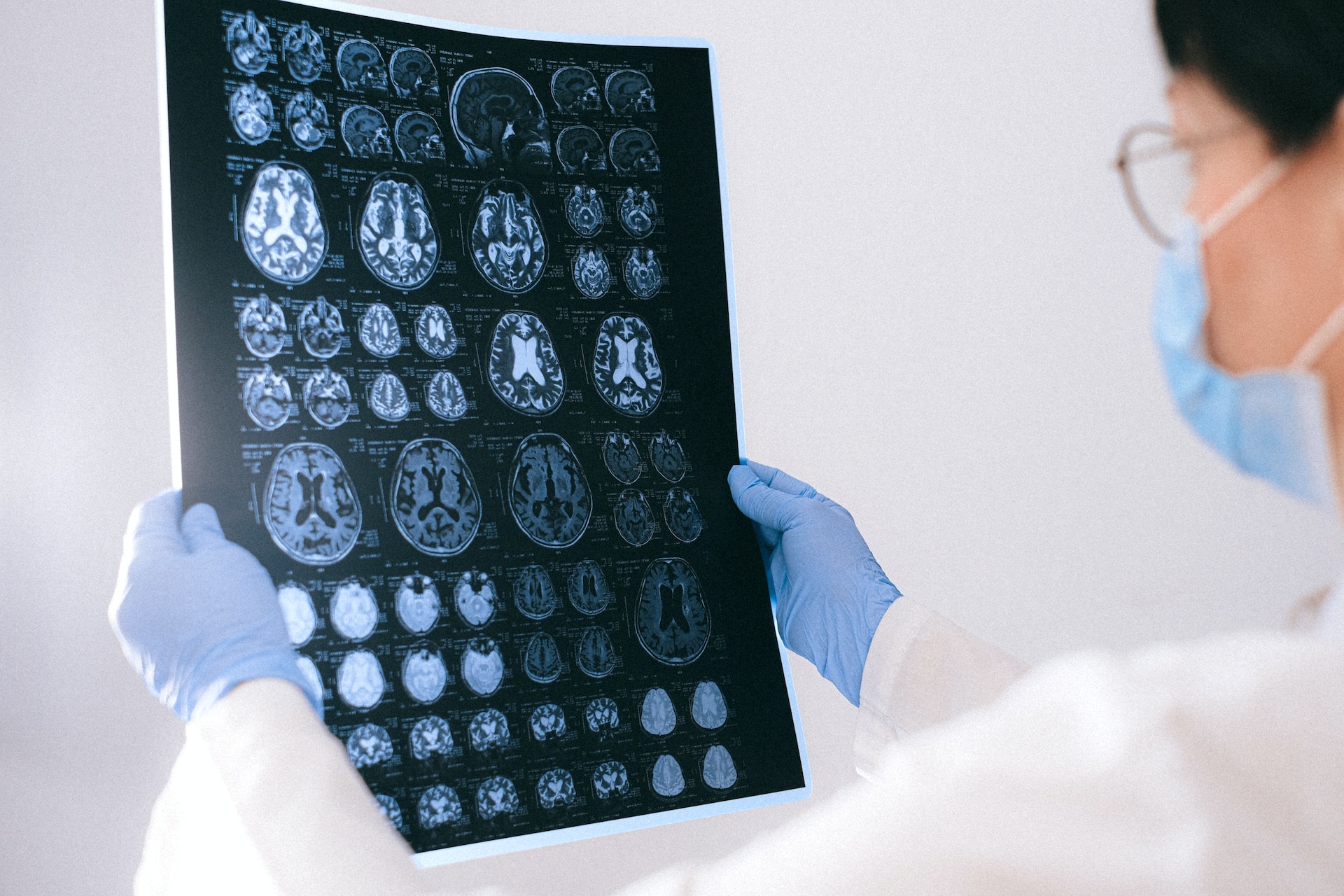
Are you looking for a non-invasive and effective way to boost your brain health? Seek no further than Hyperbaric Oxygen Therapy (HBOT). Let me tell you. At the clinic of hyperbaric oxygen therapy Monsey NY, this innovative treatment has been gaining popularity for its numerous neurological benefits. From improving oxygen delivery to stimulating neuroplasticity, HBOT is revolutionizing the field of brain health. Explore how HBOT can supercharge your brain’s performance and provide relief from conditions like PTSD and depression.

Supports Better Oxygen Delivery

When it comes to brain health, oxygen is essential. The brain relies heavily on a constant supply of oxygen to function optimally. However, factors like aging, injury, or certain medical conditions can impede oxygen delivery to the brain. This is where Hyperbaric Oxygen Therapy (HBOT) steps in. HBOT allows the patients to breathe a specific amount of pure oxygen in a pressurized chamber, making the body take in higher levels of oxygen than in normal atmospheric conditions. This increased pressure helps deliver more oxygen throughout your body, including your brain. By supporting better oxygen delivery, HBOT promotes improved cognitive functions and mental clarity. It can help enhance memory and concentration while boosting overall brain performance.

Stimulates Neuroplasticity

Our brain’s ability to adapt and change throughout our lives is a remarkable phenomenon known as neuroplasticity. It refers to the brain’s capacity to reorganize itself by specifically forming new neural connections and pathways. This process plays a crucial role in learning, memory, and recovery from injuries or diseases. Hyperbaric Oxygen Therapy (HBOT) has emerged as a promising treatment that stimulates neuroplasticity. By exposing the body to increased atmospheric pressure and delivering high levels of oxygen, HBOT enhances blood flow and stimulates better oxygen delivery to the brain. This influx of oxygen promotes the growth of new blood vessels, increases cellular metabolism, and triggers various biochemical reactions that support neuroplasticity.

Supercharges Neuroprotection

When it comes to brain health, protection is the key. Our brains are incredibly complex organs, responsible for controlling every aspect of our bodies and minds. That’s why it’s crucial to find ways to enhance neuroprotection and keep our brains functioning optimally. One powerful method that has shown great promise in supercharging neuroprotection is hyperbaric oxygen therapy (HBOT).

This innovative treatment involves breathing pure oxygen in a pressurized chamber, making the lungs possible to take in more oxygen than they would under normal conditions. By increasing the amount of oxygen available to the brain, HBOT helps promote healing and repair damaged tissues. But its benefits go beyond just delivering more oxygen. HBOT also stimulates the production of growth factors that support cell survival and encourages the formation of new blood vessels.

woman

Offers Good Treatment for PTSD and Depression

In recent years, researchers have explored the potential benefits of HBOT for individuals with PTSD and depression. One study found that HBOT sessions led to a reduction in anxiety levels and improved mood among participants with both conditions. Another study discovered that HBOT increased blood flow to specific parts of the brain that are linked to emotional regulation, providing further evidence of its therapeutic effects. The hyperbaric chamber provides an environment where oxygen levels are significantly higher than normal atmospheric conditions. This increased oxygen delivery can help stimulate healing processes within the brain, supporting neuroplasticity – the brain’s super ability to reorganize itself by forming new various neural connections.

Hyperbaric Oxygen Therapy (HBOT) has shown great promise in improving brain health and providing a range of neurological benefits. By enhancing oxygen delivery to the brain, stimulating neuroplasticity, and boosting neuroprotection, HBOT offers a holistic approach to maintaining cognitive function and supporting mental well-being.

woman

Steps of Recovery From Drug AddictionSteps of Recovery From Drug Addiction

Unleashing yourself from the grip of drug addiction is not easy, but it’s more than possible with the right mindset. The road to recovery can be bumpy, full of challenges and setbacks, but once you start taking steps towards a better future, there’s no turning back. In this blog post, we’ll walk you through the essential steps for recovering from drug addiction and help you regain control over your life. From acknowledgment to seeking professional treatment, let’s take your first step toward long-term sobriety.

Acknowledgment and Acceptance

The first and most crucial step toward recovery is acknowledging and accepting the presence of addiction. This self-awareness helps individuals recognize the impact of drugs on their lives and paves the way for seeking help. Acceptance of the addiction creates a foundation for change and allows individuals to embrace a new, healthier perspective on their circumstances.

Seeking Professional Support

man Once acknowledgment and acceptance have taken place, seeking professional support becomes paramount. Drug addiction is a complex condition that often requires the expertise of medical professionals, therapists, and addiction specialists. Professionals from www.resolutionsofpalmbeach.com can offer guidance, personalized treatment plans, and emotional support tailored to the unique needs of each individual. Professionals help individuals navigate withdrawal challenges and build a solid foundation for long-term recovery through therapy sessions, detoxification programs, and medication-assisted treatments.

Building a Support Network

Recovering from addiction requires a strong support network. Surrounding oneself with individuals who understand the struggles and provide encouragement can make a significant difference. Support groups, such as Alcoholics Anonymous (AA) or Narcotics Anonymous (NA), offer a safe space to share experiences, gain insights from others, and receive ongoing support. Connecting with family, friends, or mentors committed to your recovery journey further enhances your chances of success.

jogging

Creating a Structured Routine

Establishing a structured routine is crucial during the recovery process. Creating a schedule that includes healthy habits, such as regular exercise, nutritious meals, and sufficient sleep, helps individuals regain control of their lives and promotes overall well-being. By incorporating activities that bring joy, fulfillment, and a sense of purpose, individuals can fill the void left by addiction and focus their energy on positive endeavors.

Developing Coping Mechanisms

Recovering from drug addiction often involves confronting triggers and facing challenging emotions. Learning healthy coping mechanisms is essential to navigating these difficult situations. Techniques such as mindfulness, deep breathing exercises, meditation, and journaling can help manage stress, reduce cravings, and enhance emotional resilience. Engaging in creative outlets or pursuing hobbies also provides a positive outlet for self-expression and personal growth.

Long-Term Maintenance

people The journey of recovery extends beyond initial treatment. Long-term maintenance is crucial to prevent relapse and sustain a drug-free life. This stage involves ongoing therapy, regular check-ins with medical professionals, and actively participating in support groups. Additionally, making lifestyle changes and avoiding situations or people associated with drug use reinforces the commitment to sobriety. Celebrating milestones, setting achievable goals, and acknowledging personal growth further strengthen one’s resolve to maintain a drug-free life.



By acknowledging the addiction, seeking professional help, building a support network, establishing a structured routine, developing healthy coping mechanisms, and committing to long-term maintenance, individuals can reclaim their lives and experience a renewed sense of purpose and fulfillment. Remember, recovery is a personal and unique process, and while it may have its ups and downs, each step brings you closer to a brighter and healthier future.

stress

Proven Ways to Reduce StressProven Ways to Reduce Stress

Feeling overwhelmed and constantly on edge? Stress is a natural reaction to life’s demands, but it can become harmful or make existing conditions worse when it persists. Fortunately, there are several proven strategies for reducing stress. These strategies have helped many people live healthier and more balanced lives. Here, we will talk more about it.

Consider Doing Yoga

yoga

One way to reduce stress and anxiety is to do yoga. Research has shown that it can help improve physical and mental well-being in adults. Yoga can be done both indoors and outdoors. It involves stretching, breathing exercises and poses that help relax the mind and body. Doing yoga regularly can reduce the effects of stress, such as headaches, insomnia, fatigue, depression, and anxiety. There are many yoga studios that you can attend to. But choosing the best one is very important.

Practice Mindfulness Meditation

Another way to reduce stress is by practicing mindfulness meditation. It involves focusing on the present moment and paying attention to one’s thoughts or feelings without judgment or reaction. Research has shown that it can help lower cortisol, a hormone associated with stress, as well as reduce symptoms of depression and anxiety. There are many guided meditation apps that you can use to practice mindfulness meditation. Many famous people are actually doing this every single day. They say it has helped them a lot. At first, it might be hard to focus, but with practice and consistency, you will eventually get the hang of it.

Get Enough Sleep

The third way to reduce stress is to get enough sleep. Lack of sleep can contribute to feelings of exhaustion, irritability, and depression. It can also lead to physical problems such as headaches and muscle tension. Aim to get at least 7-8 hours of quality sleep every night to reduce stress. Create a calming bedtime routine for yourself, and avoid electronics before bed. This will help you sleep better, which in turn can reduce stress.

Start Exercising Regularly

exerciseThe fourth way to reduce stress is to start exercising regularly. Exercise can help boost endorphins and feel-good hormones in the body, which can help improve your mood. It can also be a great way to release pent-up energy and stress, and it can even help you think more clearly. So, find an activity that you enjoy, like jogging, cycling, or dancing, and do it regularly. This will help you feel better mentally and physically. If you are a busy person, schedule some time in your day to do a quick workout or go for a walk.

Stress can be a part of everyday life, but the good news is that there are ways to reduce it. Although stress reduction techniques such as mindfulness, physical activity, and improving one’s environment will vary from person to person, following the tips discussed in this article may be just what you need to reduce stress. So take time to relax, get enough sleep each night, develop healthier lifestyle habits, and reach out to a friend or family member when needed. Above all else, keep in mind that even though stress can impact your life in many ways, it does not have to define your day-to-day living – with purposeful steps towards reducing stress and maintaining the balance in your life you can gain the focus and clarity needed for success.