
+1 319-366-1715 555 Gateway Pl SW, Cedar Rapids, IA
MTI Expo Health How to Choose the Right Drug Addiction Program for You

How to Choose the Right Drug Addiction Program for You

drug addiction program

Choosing the right drug addiction program can feel overwhelming. With so many options available, it’s easy to become confused about where to start. The journey toward recovery is deeply personal, and what works for one person may not be suitable for another. Whether you’re seeking help for yourself or a loved one, understanding your specific needs is crucial in finding an effective program.

Navigating through treatment types, qualifications, and methods can seem daunting at first glance. But fear not. By breaking down the process into manageable steps, you can find a program that aligns with your goals and provides the support needed on this challenging path. Let’s explore how to make this important decision together.

Assess Your Needs

Understanding your unique situation is the first step toward recovery. Take time to reflect on your history with substance use. Consider how it affects various aspects of your life, including relationships, work, and mental health. Ask yourself specific questions: What triggers your cravings? Do you have any co-occurring disorders that need attention? Identifying these factors can help pinpoint the type of support you truly require.

Research Program Types

When searching for a drug addiction program, understanding the different types available is crucial. Each approach has unique philosophies and methodologies that cater to various needs. Residential treatment programs provide an immersive experience. Participants live on-site, allowing them to focus entirely on recovery without outside distractions. This environment can foster deep healing. Outpatient programs offer flexibility, letting individuals attend therapy sessions while maintaining daily responsibilities like work or family care. This might be ideal for those with strong support systems at home.

Research Program Types

Look for Evidence-Based Treatment

When exploring addiction treatment options, the effectiveness of a program is crucial. Evidence-based treatments have been shown to deliver real results for many individuals. These approaches rely on scientific research and clinical data. Look for programs that incorporate therapies like Cognitive Behavioral Therapy (CBT) or Motivational Interviewing (MI). Both are grounded in actual studies demonstrating their efficacy in treating substance use disorders. Ask about the specific methods used within the program. A good facility will openly share information about their techniques and how they measure success.

Check Credentials and Qualifications

When searching for a drug addiction program, it’s vital to check the credentials and qualifications of the staff. The expertise of those leading your recovery journey can significantly impact your experience. Look for licensed professionals with degrees in psychology, social work, or counseling. These qualifications ensure that they have received comprehensive training to handle complex situations. Certifications from reputable organizations indicate a commitment to ongoing education and best practices. Programs recognized by governing bodies often adhere to stricter standards.

Consider Duration of Treatment

The length of a drug addiction program can significantly impact your recovery journey. Treatment duration varies widely, from intensive short-term options to more extended residential programs. Short-term treatments may last 28 days or less and often focus on immediate stabilization. These programs can be effective for some individuals but might not address deeper underlying issues. On the other hand, longer programs provide more time for healing and growth. They allow you to work through challenges at a pace that suits your needs. Extended treatment can also include aftercare support.

Choosing the right drug addiction program is a significant step in your recovery journey. It’s essential to prioritize your needs and preferences while ensuring that your chosen program aligns with evidence-based practices. Take the time to research various options, paying close attention to the credentials and qualifications of the staff involved. Your path to recovery is unique, so find a program that resonates with you personally. Embrace this opportunity for change, as it can lead to a healthier, more fulfilling life ahead.


Related Post

tummy tuck

How to Prepare for Your Full Mommy Makeover SurgeryHow to Prepare for Your Full Mommy Makeover Surgery

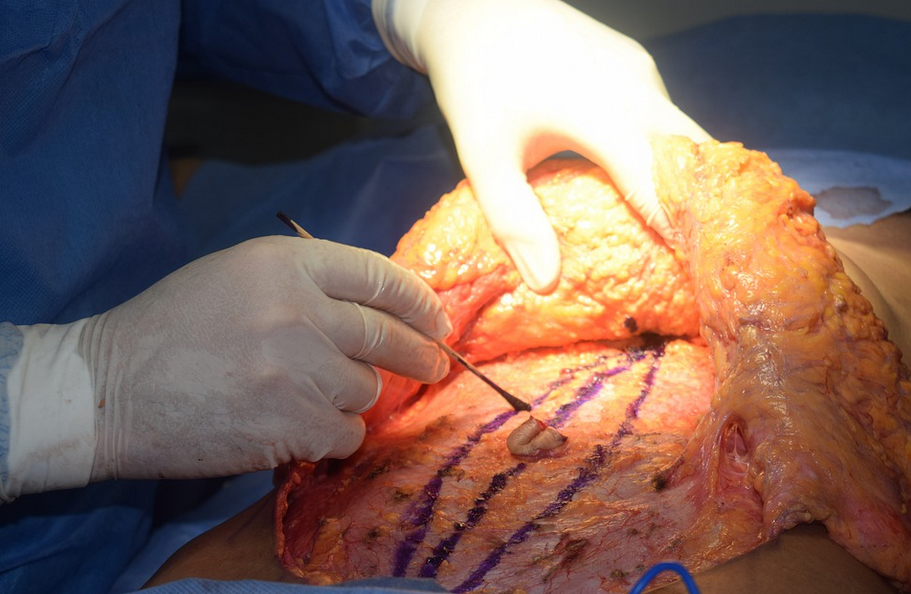
Are you considering a complete mommy makeover surgery? If so, it is crucial to start preparing for the procedure well in advance. This will help ensure that you have a smooth and successful recovery. This blog post will discuss the steps you need to take before your surgery date. We will also provide some tips on preparing mentally and emotionally for the transformation ahead. You can also check out thigh liposuction before and after photos to learn more about this procedure.

Be In Good Health

good healthOne of the most important things you can do to prepare for your complete mommy makeover surgery is to be in good health. This means eating a healthy diet, exercising regularly, and getting enough rest. It is also essential to avoid smoking and drinking alcohol before your surgery. If you are not in good health, it could increase your risk of complications during and after the procedure.

Have a Good Support System

Another vital thing to do before surgery is to have a sound support system. This includes family and friends who can help you with childcare, cooking, and cleaning. Having someone who can drive you to and from your appointments is also important. A support system will help make the recovery process much more manageable.  It is also essential to have realistic expectations about the surgery. The results of your surgery will not be immediate.

Educate Yourself

mommy bellyIt is also essential to educate yourself about the procedure. It includes understanding the risks and benefits and what to expect before, during, and after surgery. The more you know about the design, the better prepared you will be for it. You can talk to your surgeon about any concerns that you may have.

Prepare a Recovery Area

recoveryAnother important step is preparing a recovery area in your home. This should be a quiet and comfortable place where you can rest and recover. It should be free from distractions, such as television and loud music. You will also need all the supplies you need for your recoveries, such as pain medication, ice packs, and bandages.

If you are considering a complete mommy makeover surgery, it is crucial to prepare for the procedure well in advance. This will help ensure that you have a smooth and successful recovery. In this blog post, we have discussed the steps that you need to take before your surgery date. We have also provided some tips on preparing mentally and emotionally for the transformation ahead. Following these tips can help ensure your surgery is a success.

taking medicine

Understanding Medication-Assisted Treatment for Substance Use DisordersUnderstanding Medication-Assisted Treatment for Substance Use Disorders

Recovering from a substance use disorder often requires more than determination alone. Many individuals benefit from a combination of medical care, counseling, behavioral therapy, and ongoing support throughout the recovery process. One treatment approach that has become an important part of evidence-based addiction care is medication-assisted treatment, commonly known as MAT. This approach combines carefully prescribed medications with counseling and behavioral therapies to help individuals manage substance use disorders.

For people seeking Suboxone treatment in West Palm Beach, medication-assisted treatment may be part of a personalized recovery plan developed and supervised by qualified healthcare professionals. The goal is not simply to stop substance use but to support long-term recovery while improving physical and emotional well-being. Medication-assisted treatment is supervised by qualified healthcare professionals who determine whether it is appropriate for each individual’s needs. Understanding medication-assisted treatment for substance use disorders helps explain why it has become an important option within modern addiction treatment programs.

Understanding How MAT Works

Medication-assisted treatment combines medical treatment with psychological and behavioral support. Both components work together throughout the recovery process. The medications used during MAT help address specific physical aspects of addiction. Depending on the substance involved, these medications may reduce withdrawal symptoms, decrease cravings, or help stabilize the body’s response during recovery. At the same time, counseling sessions help individuals develop healthier coping skills, recognize behavioral patterns, and strengthen recovery goals. Medication alone is not considered complete treatment. Behavioral support remains an important part of the overall recovery plan. This combined approach addresses multiple aspects of addiction simultaneously.

Supporting Withdrawal Management

Withdrawal symptoms often represent one of the most challenging stages of recovery. Physical discomfort may discourage individuals from continuing treatment if symptoms become difficult to manage. Medication-assisted treatment helps reduce the intensity of withdrawal for certain substance use disorders under medical supervision. By making this early stage more manageable, individuals may be better able to participate fully in counseling and other recovery services. Reducing severe withdrawal symptoms also allows healthcare providers to monitor patients more effectively while maintaining safety throughout the stabilization process. Professional medical oversight remains essential during this stage of treatment.

people

Combining Medical and Behavioral Care

One reason medication-assisted treatment has become widely accepted is its comprehensive approach. Addiction affects both physical health and behavior, making multiple forms of treatment valuable. Behavioral therapy helps individuals identify personal triggers, improve communication skills, manage stress, and develop healthier routines. Counseling also provides opportunities to discuss challenges that arise throughout recovery. Medical professionals monitor medication effectiveness while adjusting treatment plans when necessary. This collaboration between healthcare providers and therapists supports individualized recovery rather than relying on a single treatment method. The combination of medical and behavioral care creates a more complete recovery strategy.

Reducing Cravings During Recovery

Cravings can continue long after substance use has stopped. These urges may appear unexpectedly during stressful situations, emotional challenges, or exposure to previous triggers. Certain medications used in MAT help reduce the intensity of these cravings. Lower craving levels allow individuals to focus more effectively on counseling, personal growth, employment, family relationships, and rebuilding daily routines. Behavioral therapy complements medication by teaching practical techniques for responding to cravings when they occur. Together, these approaches help individuals strengthen recovery while reducing reliance on unhealthy coping behaviors. Managing cravings remains an ongoing part of many recovery journeys.

medicine

Addressing Common Misunderstandings

Medication-assisted treatment is sometimes misunderstood. Some people mistakenly believe that taking prescribed medication simply replaces one addiction with another. In reality, medications used during MAT are prescribed and monitored by healthcare professionals as part of structured treatment plans. Their purpose is to support recovery by managing specific physical symptoms associated with certain substance use disorders. Treatment decisions are based on careful medical evaluation rather than personal preference alone. Healthcare providers regularly assess patient progress while determining whether medication continues to be appropriate. Understanding these facts helps reduce stigma surrounding medication-assisted treatment and encourages more informed discussions about recovery options.

Supporting Long-Term Recovery

Recovery continues well beyond the initial treatment phase. Medication-assisted treatment often serves as one component within a broader long-term recovery plan. Many individuals continue participating in counseling, peer support groups, family therapy, and regular medical follow-up appointments throughout recovery. Healthy routines involving employment, education, exercise, nutrition, and supportive relationships also contribute to long-term success. As recovery progresses, healthcare providers evaluate treatment plans and make adjustments according to individual needs. Every person’s recovery journey develops differently, requiring ongoing assessment and personalized care. Long-term recovery focuses on sustained health rather than short-term results alone.

Medication-assisted treatment supports substance use disorder recovery by combining carefully supervised medications with counseling, behavioral therapy, and ongoing professional care. This integrated approach helps manage withdrawal symptoms, reduce cravings, encourage participation in therapy, and support long-term recovery goals. Understanding medication-assisted treatment for substance use disorders demonstrates that effective recovery often requires addressing both physical and behavioral aspects of addiction. Treatment plans remain individualized because every person’s experiences and healthcare needs differ. By combining medical expertise with psychological support, medication-assisted treatment continues helping many individuals build healthier lives while working toward lasting recovery through comprehensive, evidence-based care.

knee pain

Effective Strategies for Reducing Inflammation in the BodyEffective Strategies for Reducing Inflammation in the Body

Inflammation is a natural response of the body to injury or infection. However, when it becomes chronic, it can lead to various health issues like heart disease, diabetes, and even certain cancers. The good news? There are effective strategies you can employ to combat inflammation and promote better health. From innovative therapies to lifestyle changes, you have the power to make a difference in how your body feels and functions. Let’s explore some actionable steps that can help you reduce inflammation effectively and enhance your overall well-being.

Consider Hyperbaric Oxygen Therapy

Research shows that to restore hyperbaric oxygen means to accelerate recovery from various injuries and conditions linked to chronic inflammation. Hyperbaric Oxygen Therapy (HBOT) is gaining traction as a powerful method for reducing inflammation in the body. This therapy involves breathing pure oxygen in a pressurized room or chamber. The increased pressure allows your lungs to absorb more oxygen, which can promote healing. It enhances blood flow, reduces swelling, and stimulates the release of growth factors essential for tissue repair. Many athletes have turned to this treatment for quicker recovery times post-injury. However, it’s not just for sports enthusiasts; anyone struggling with persistent inflammation might find relief through regular sessions.

Adopt an Anti-Inflammatory Diet

healthy food

Eating to reduce inflammation can be both tasty and beneficial. An anti-inflammatory diet focuses on whole, nutrient-dense foods that nourish your body. Start by incorporating plenty of fruits and vegetables. Berries, leafy greens, and cruciferous veggies are rich in antioxidants that combat oxidative stress. Healthy fats play a crucial role too. Sources like avocados, nuts, seeds, and olive oil provide omega-3 fatty acids known for their anti-inflammatory properties. Don’t forget about whole grains.

Engage in Regular Physical Activity

Regular physical activity is a powerful tool in the fight against inflammation. Movement helps to increase circulation, allowing essential nutrients and oxygen to reach tissues more efficiently. This process can lead to reduced swelling and improved recovery. Exercise also boosts the production of anti-inflammatory cytokines. These proteins play a critical role in regulating immune responses and can help combat chronic inflammation over time. Moreover, engaging in activities you enjoy makes it easier to stay consistent. Whether it’s jogging, dancing, or yoga, find what resonates with you.

Consider Anti-Inflammatory Supplements

supplements

When it comes to managing inflammation, anti-inflammatory supplements can be a game changer. These natural options may help support your body’s healing processes. Turmeric is one of the most popular choices. Its active component, curcumin, boasts powerful anti-inflammatory properties. Many people find that incorporating turmeric into their diet or taking it as a supplement makes a noticeable difference. Another contender is omega-3 fatty acids found in fish oil. These healthy fats are known for their ability to reduce inflammatory markers in the body.

When it comes to reducing inflammation in the body, a multi-faceted approach is often best. Hyperbaric oxygen therapy can offer unique benefits by increasing oxygen levels and potentially accelerating healing. An anti-inflammatory diet rich in fruits, vegetables, whole grains, and healthy fats provides essential nutrients that help combat inflammation naturally. Implementing these strategies can lead to significant improvements in your well-being. Understanding how different methods work together empowers you to take control of your health journey effectively. Taking small steps toward an anti-inflammatory lifestyle can yield remarkable results over time. Embrace these changes for a healthier future.