
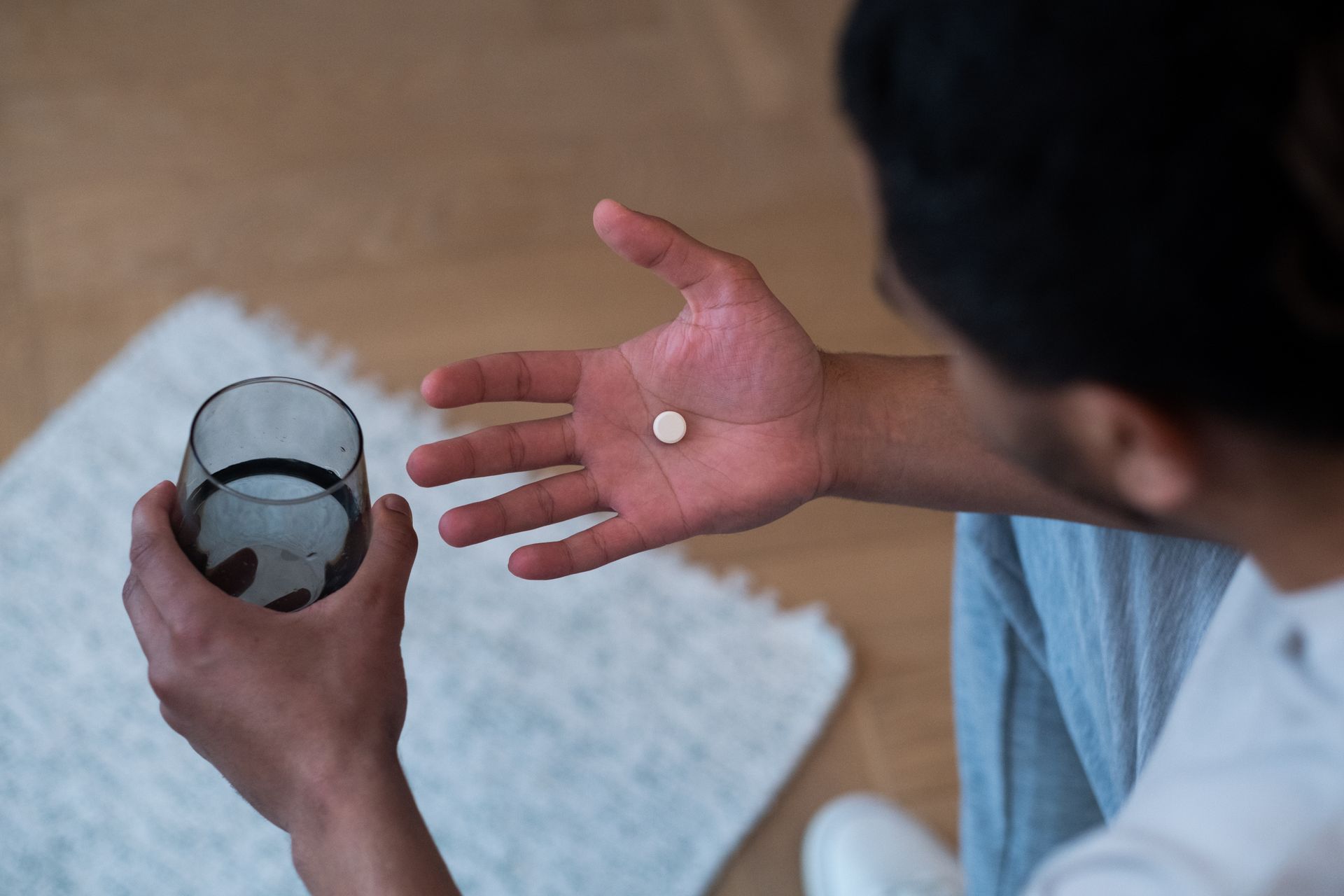
Recovering from a substance use disorder often requires more than determination alone. Many individuals benefit from a combination of medical care, counseling, behavioral therapy, and ongoing support throughout the recovery process. One treatment approach that has become an important part of evidence-based addiction care is medication-assisted treatment, commonly known as MAT. This approach combines carefully prescribed medications with counseling and behavioral therapies to help individuals manage substance use disorders.
For people seeking Suboxone treatment in West Palm Beach, medication-assisted treatment may be part of a personalized recovery plan developed and supervised by qualified healthcare professionals. The goal is not simply to stop substance use but to support long-term recovery while improving physical and emotional well-being. Medication-assisted treatment is supervised by qualified healthcare professionals who determine whether it is appropriate for each individual’s needs. Understanding medication-assisted treatment for substance use disorders helps explain why it has become an important option within modern addiction treatment programs.
Understanding How MAT Works
Medication-assisted treatment combines medical treatment with psychological and behavioral support. Both components work together throughout the recovery process. The medications used during MAT help address specific physical aspects of addiction. Depending on the substance involved, these medications may reduce withdrawal symptoms, decrease cravings, or help stabilize the body’s response during recovery. At the same time, counseling sessions help individuals develop healthier coping skills, recognize behavioral patterns, and strengthen recovery goals. Medication alone is not considered complete treatment. Behavioral support remains an important part of the overall recovery plan. This combined approach addresses multiple aspects of addiction simultaneously.
Supporting Withdrawal Management
Withdrawal symptoms often represent one of the most challenging stages of recovery. Physical discomfort may discourage individuals from continuing treatment if symptoms become difficult to manage. Medication-assisted treatment helps reduce the intensity of withdrawal for certain substance use disorders under medical supervision. By making this early stage more manageable, individuals may be better able to participate fully in counseling and other recovery services. Reducing severe withdrawal symptoms also allows healthcare providers to monitor patients more effectively while maintaining safety throughout the stabilization process. Professional medical oversight remains essential during this stage of treatment.

Combining Medical and Behavioral Care
One reason medication-assisted treatment has become widely accepted is its comprehensive approach. Addiction affects both physical health and behavior, making multiple forms of treatment valuable. Behavioral therapy helps individuals identify personal triggers, improve communication skills, manage stress, and develop healthier routines. Counseling also provides opportunities to discuss challenges that arise throughout recovery. Medical professionals monitor medication effectiveness while adjusting treatment plans when necessary. This collaboration between healthcare providers and therapists supports individualized recovery rather than relying on a single treatment method. The combination of medical and behavioral care creates a more complete recovery strategy.
Reducing Cravings During Recovery
Cravings can continue long after substance use has stopped. These urges may appear unexpectedly during stressful situations, emotional challenges, or exposure to previous triggers. Certain medications used in MAT help reduce the intensity of these cravings. Lower craving levels allow individuals to focus more effectively on counseling, personal growth, employment, family relationships, and rebuilding daily routines. Behavioral therapy complements medication by teaching practical techniques for responding to cravings when they occur. Together, these approaches help individuals strengthen recovery while reducing reliance on unhealthy coping behaviors. Managing cravings remains an ongoing part of many recovery journeys.

Addressing Common Misunderstandings
Medication-assisted treatment is sometimes misunderstood. Some people mistakenly believe that taking prescribed medication simply replaces one addiction with another. In reality, medications used during MAT are prescribed and monitored by healthcare professionals as part of structured treatment plans. Their purpose is to support recovery by managing specific physical symptoms associated with certain substance use disorders. Treatment decisions are based on careful medical evaluation rather than personal preference alone. Healthcare providers regularly assess patient progress while determining whether medication continues to be appropriate. Understanding these facts helps reduce stigma surrounding medication-assisted treatment and encourages more informed discussions about recovery options.
Supporting Long-Term Recovery
Recovery continues well beyond the initial treatment phase. Medication-assisted treatment often serves as one component within a broader long-term recovery plan. Many individuals continue participating in counseling, peer support groups, family therapy, and regular medical follow-up appointments throughout recovery. Healthy routines involving employment, education, exercise, nutrition, and supportive relationships also contribute to long-term success. As recovery progresses, healthcare providers evaluate treatment plans and make adjustments according to individual needs. Every person’s recovery journey develops differently, requiring ongoing assessment and personalized care. Long-term recovery focuses on sustained health rather than short-term results alone.
Medication-assisted treatment supports substance use disorder recovery by combining carefully supervised medications with counseling, behavioral therapy, and ongoing professional care. This integrated approach helps manage withdrawal symptoms, reduce cravings, encourage participation in therapy, and support long-term recovery goals. Understanding medication-assisted treatment for substance use disorders demonstrates that effective recovery often requires addressing both physical and behavioral aspects of addiction. Treatment plans remain individualized because every person’s experiences and healthcare needs differ. By combining medical expertise with psychological support, medication-assisted treatment continues helping many individuals build healthier lives while working toward lasting recovery through comprehensive, evidence-based care.

 Protein is the building block of muscles, and it’s no surprise that fitness buffs are obsessed with it. You’ve probably heard that protein is essential for muscle growth, but there’s more to it than just post-workout shakes. Protein helps in the repair and recovery process after you’ve worked your muscles to their limits. It’s like your muscles’ personal handyman—fixing them up so they can get bigger and stronger. Fans of protein powders often search for the best ones that fit their diet and workout goals. Whether you prefer whey, casein, or plant-based options, there’s a protein for everyone. The big question? How much do you need? A general rule of thumb is about 1 gram of protein per pound of body weight if you’re hitting the gym hard.
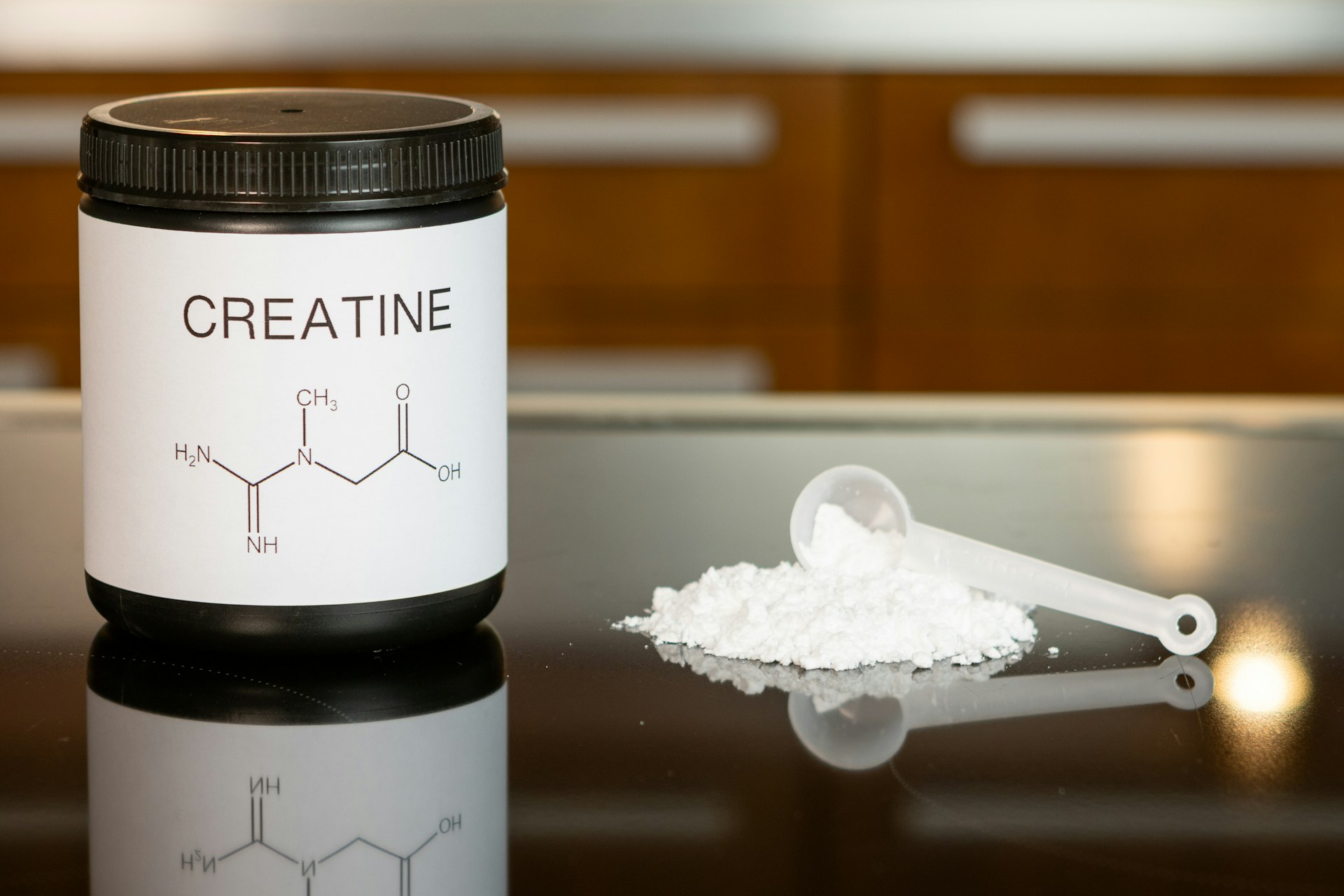
 One of the top searches for fitness enthusiasts is when to take protein and creatine for the best results. Let’s break it down. Protein timing matters—many recommend consuming a serving of protein within 30 minutes to an hour after your workout to fuel recovery. This is when your muscles are the most receptive to protein, helping them rebuild and grow stronger. As for creatine, timing isn’t as critical. Whether you take it before or after your workout, or even on off days, it’s still going to give you the same benefits. Some prefer to take it post-workout to maximize muscle recovery, while others simply take it daily to maintain consistent levels in their system.