

When you have irritated eyes, you might visit a reliable drug store to buy some eye drops. However, out of the available types and brands, it can be hard to make the right choice. If you want to make the right decision, research about the lubricant eye drops to see if it can manage your cataract condition.
When you are making your purchase, you should understand that different eye drops treat various problems. Choosing the wrong eye drops may make your symptoms worsen. If you want to select the right eye product that will help you based on your eye condition, the following are some of the factors that you should consider.
Do Your Research
One of the first things you need to do when looking for eye drops products is research. In other words, you need to find enough details that will help you to make a recommended decision. With enough research, it will be easy for you to come up with the best purchasing decision. Make sure that you find quality sources that will offer you the right details that you want.
Types of Eye Drops

When you are buying eye drops products, you should understand that there are various types available. It would help if you made the right choice depending on your eye condition. However, the following are the three main types of eye drops you need to know.
Allergy Drops
Allergy drops are the drops that you need to reach when you need relief from red, watery and itchy eyes caused by molds, pollen, and pet dander. Ideally, when your body has an allergic reaction, it releases histamines that trigger itchy eyes and a runny nose. When using allergy drops, they will block histamines, and it will prevent allergy symptoms.
Artificial Tears
The artificial tears are the perfect products that you need to use if you have dry eyes. The main goal of these products is to keep the surface of your eyes moist and lovely. Before buying this drug, you need to understand that various manufacturers use different ingredients. Make sure that you know the components you want before purchasing them.
Anti-Redness Drops
If you have red eyes, this is the right drug that you need to use. They will help to clear the redness out of your eyes. When using them, ensure that you follow the given guidelines because if you use them regularly, they can irritate your eyes and make the redness worse.
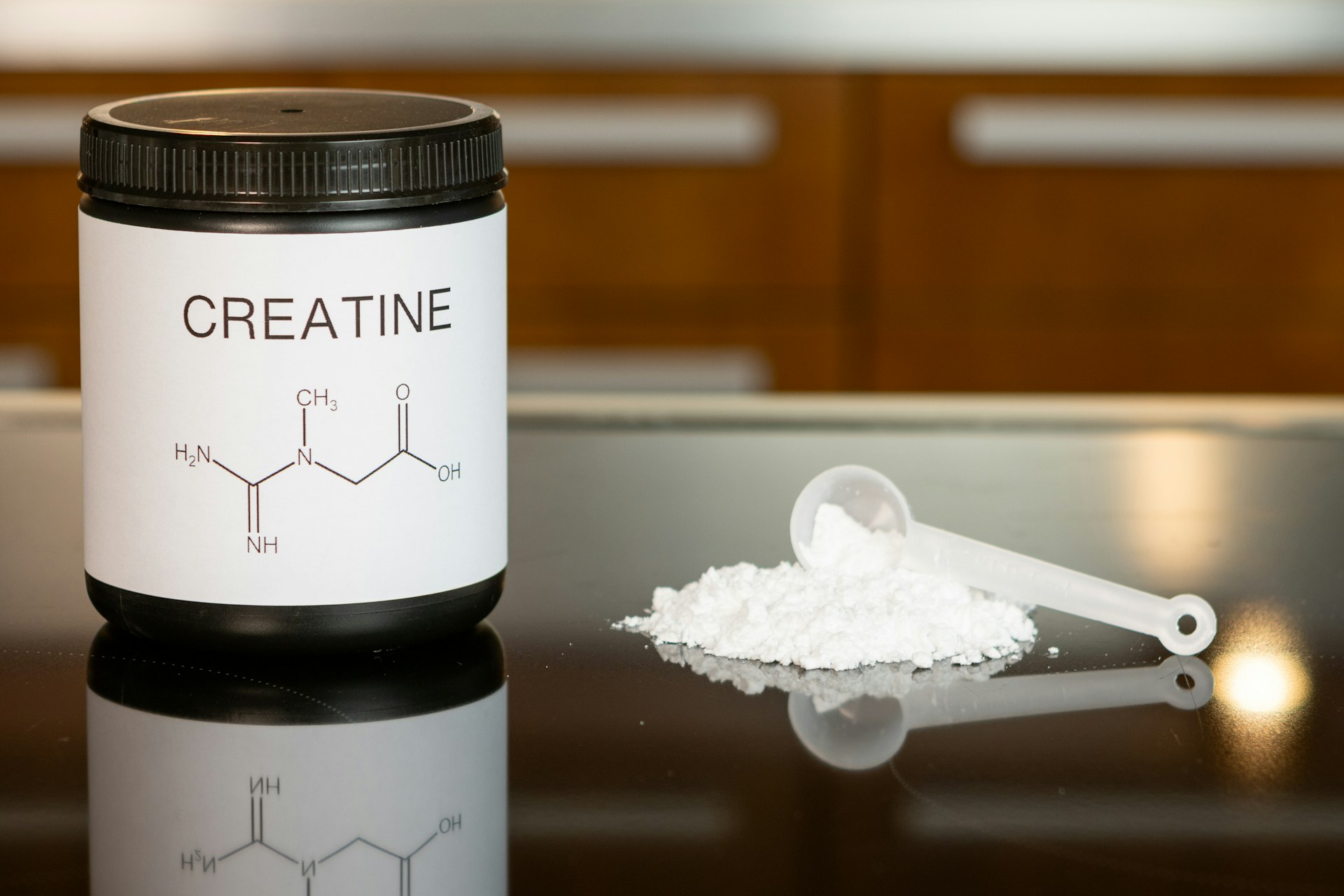
 Protein is the building block of muscles, and it’s no surprise that fitness buffs are obsessed with it. You’ve probably heard that protein is essential for muscle growth, but there’s more to it than just post-workout shakes. Protein helps in the repair and recovery process after you’ve worked your muscles to their limits. It’s like your muscles’ personal handyman—fixing them up so they can get bigger and stronger. Fans of protein powders often search for the best ones that fit their diet and workout goals. Whether you prefer whey, casein, or plant-based options, there’s a protein for everyone. The big question? How much do you need? A general rule of thumb is about 1 gram of protein per pound of body weight if you’re hitting the gym hard.
 One of the top searches for fitness enthusiasts is when to take protein and creatine for the best results. Let’s break it down. Protein timing matters—many recommend consuming a serving of protein within 30 minutes to an hour after your workout to fuel recovery. This is when your muscles are the most receptive to protein, helping them rebuild and grow stronger. As for creatine, timing isn’t as critical. Whether you take it before or after your workout, or even on off days, it’s still going to give you the same benefits. Some prefer to take it post-workout to maximize muscle recovery, while others simply take it daily to maintain consistent levels in their system.
 The next thing you should consider is the quality of the bodybuilding supplement you are planning to buy. It is essential to note that the type of result you get will depend on the quality of the products you are using. Though it might be challenging to know if a product is of quality before using it, you should consider some factors.
 The last thing you should consider is the goal you want to achieve. Every person has their goals, and they might vary. You should choose supplements that will help you achieve the type of goals you want.